Concrete Outdoor Kitchen Building Guide for West Linn
Planning Your Concrete Outdoor Kitchen in West Linn
Creating an Outdoor Kitchen with concrete elements transforms your West Linn backyard into a year-round entertaining destination. The Pacific Northwest's wet climate demands durable materials, making concrete an ideal choice for countertops, islands, and foundational elements that withstand Oregon's seasonal weather patterns.
Your outdoor kitchen design starts with understanding West Linn's building requirements and weather considerations. The city's hillside terrain often provides natural windbreaks, but you'll need to account for moisture protection and proper drainage. Concrete offers exceptional durability against freeze-thaw cycles common in the Willamette Valley, while providing the flexibility to create custom shapes and integrated features.
Location selection within your property affects both functionality and permit requirements. Consider proximity to your indoor kitchen for convenience, prevailing wind patterns that could affect cooking, and sight lines to entertaining areas. West Linn's neighborhoods often feature sloped lots, creating opportunities for multi-level outdoor kitchen designs that maximize both cooking space and scenic views.
Essential Components for Pacific Northwest Outdoor Cooking
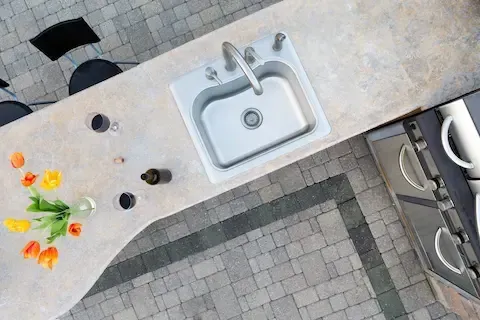
Concrete countertops anchor most successful outdoor kitchen designs, providing heat resistance and customizable surface area. Standard thickness ranges from two to four inches, with thicker sections accommodating integrated sinks or decorative edge profiles. The material's thermal mass helps regulate temperature fluctuations during West Linn's variable weather conditions.
Storage solutions require careful weatherproofing in Oregon's climate. Concrete cabinets with proper sealing withstand moisture better than many alternatives, while built-in compartments can house propane tanks, cooking utensils, and serving equipment. Design storage areas with adequate ventilation to prevent moisture buildup during extended rainy periods.
Cooking surfaces demand heat-resistant materials and proper ventilation. Gas grills integrate easily into concrete islands, while wood-fired ovens require specialized foundations and clearances. Consider installing electrical outlets for small appliances, ensuring all electrical work meets local code requirements for outdoor installations.
Utility connections simplify meal preparation and cleanup. Gas lines for cooking equipment, water supply for sinks and preparation areas, and electrical service for lighting and appliances require early planning. West Linn's municipal services can provide guidance on utility extension requirements and permit processes.
Design Considerations for Year-Round Use
Weather protection extends your outdoor kitchen's usable season throughout West Linn's mild but wet winters. Overhead structures like pergolas or covered pavilions shield cooking areas from rain while maintaining outdoor ambiance. Strategic placement near existing structures can provide natural windbreaks and weather protection.
Drainage planning prevents water damage and ensures safe cooking conditions. Concrete surfaces should slope slightly away from cooking areas, directing water toward appropriate drainage points. Installing proper gutters and downspouts protects both the kitchen structure and surrounding landscape from water damage.
Material selection affects both performance and maintenance requirements. Sealed concrete resists staining and moisture penetration, while textured finishes provide slip resistance during wet conditions. Color additives and decorative aggregates can complement your home's exterior while maintaining practical functionality.
Lighting design enhances both safety and ambiance for evening entertaining. Task lighting over cooking and preparation areas ensures safe food handling, while ambient lighting creates inviting atmosphere. Consider solar options for environmentally conscious installations, or low-voltage systems for energy efficiency.
Construction Process and Timeline Expectations
Site preparation begins with excavation and utility rough-in work. This phase typically requires one to two weeks, depending on complexity and weather conditions. West Linn's clay-rich soils may require additional drainage considerations or soil amendments to ensure stable foundations.
Foundation and framework installation establishes the kitchen's structural integrity. Concrete footings and reinforced framework provide long-term stability, particularly important given Oregon's seismic activity. This phase usually takes three to five days, weather permitting.
Concrete pouring and finishing requires coordination with weather forecasts. Pacific Northwest conditions often limit ideal concrete work to dry periods, potentially affecting project timelines. Professional contractors typically schedule concrete work during favorable weather windows to ensure optimal curing conditions.
As you plan the broader outdoor space, consider how your kitchen coordinates with other concrete features. Check out our concrete pool deck guide for information on creating cohesive outdoor living areas that complement your new cooking space.
Final installation of appliances and fixtures completes the construction process. This phase includes gas connections, electrical hookups, and any specialized equipment installation. Allow additional time for inspections and final approvals from West Linn's building department.
Common Design Mistakes and How to Avoid Them
Inadequate counter space ranks among the most frequent outdoor kitchen design errors. Plan for preparation areas adjacent to cooking surfaces, serving spaces near seating areas, and storage access that doesn't interfere with cooking workflow. Concrete's moldable nature allows custom sizing to optimize available space.
Poor ventilation creates smoke and odor problems that affect both cooking performance and neighbor relations. Natural ventilation works well in West Linn's typically breezy conditions, but mechanical ventilation may be necessary in sheltered locations. Position cooking equipment to take advantage of prevailing wind patterns.
Insufficient storage leads to cluttered cooking areas and weather damage to equipment. Plan dedicated storage for cooking utensils, serving pieces, cleaning supplies, and seasonal equipment. Concrete storage solutions can integrate seamlessly into overall design while providing weather-tight protection.
Neglecting lighting considerations affects both safety and usability. Plan for task lighting over all work surfaces, pathway lighting for safe movement, and ambient lighting for entertaining. Consider seasonal daylight variations when positioning cooking and preparation areas.
Local Climate Adaptations for West Linn
Oregon's freeze-thaw cycles require specific concrete mix designs and reinforcement strategies. Air-entrained concrete resists frost damage, while proper curing techniques ensure long-term durability. Professional contractors familiar with local climate conditions can specify appropriate mix designs for outdoor applications.
Moisture management prevents both structural damage and safety hazards. Proper sealing protects concrete surfaces from water penetration, while adequate drainage prevents standing water problems. West Linn's hillside locations often provide natural drainage opportunities that can be incorporated into kitchen design.
Wind patterns affect both comfort and cooking performance. The Tualatin Valley's typical wind flows can help ventilate cooking areas naturally, but may also create uncomfortable conditions for diners. Strategic windscreens or landscape features can moderate wind effects without completely blocking airflow.
Seasonal temperature variations influence material selection and design features. Concrete's thermal mass moderates temperature swings, but additional heating elements may enhance comfort during cool evenings. Fire features integrated into concrete designs provide both warmth and ambiance for extended outdoor seasons.
Professional Installation vs. DIY Considerations
Concrete work requires specialized knowledge and equipment for professional results. Mixing, pouring, and finishing techniques significantly affect final appearance and performance. West Linn's building codes require permits for most outdoor kitchen installations, necessitating professional involvement for compliance.
Utility connections always require professional installation and inspection. Gas lines, electrical systems, and water supply modifications must meet local safety codes and building standards. Attempting DIY utility work risks safety hazards and code violations that could affect property insurance and resale value.
Structural engineering considerations become critical for elaborate designs or challenging site conditions. West Linn's sloped terrain often requires retaining walls or specialized foundations that demand professional design and installation. Complex designs benefit from architectural input to ensure both function and aesthetic success.
Permit acquisition and inspection scheduling require familiarity with local procedures and requirements. Professional contractors handle permit applications, inspection coordination, and code compliance verification. This expertise prevents delays and ensures proper completion of all regulatory requirements.
Investment Value and Long-Term Benefits
Concrete outdoor kitchens provide exceptional return on investment in West Linn's competitive real estate market. Quality outdoor living spaces appeal to buyers seeking entertainment-ready homes, particularly given the area's outdoor recreation culture and scenic setting.
Maintenance requirements remain minimal with properly installed concrete features. Regular sealing protects against staining and weather damage, while the material's inherent durability resists cracking and deterioration. This low-maintenance characteristic particularly appeals to busy homeowners who want attractive outdoor spaces without extensive upkeep.
Energy efficiency benefits include reduced indoor cooking heat during summer months and extended outdoor living seasons. Outdoor cooking reduces air conditioning loads and provides comfortable alternatives during warm weather. These efficiency gains contribute to overall home comfort and utility cost management.
Customization possibilities allow outdoor kitchens to evolve with changing needs and preferences. Concrete's adaptability permits future modifications or expansions without complete reconstruction. This flexibility protects your investment while accommodating lifestyle changes over time.
