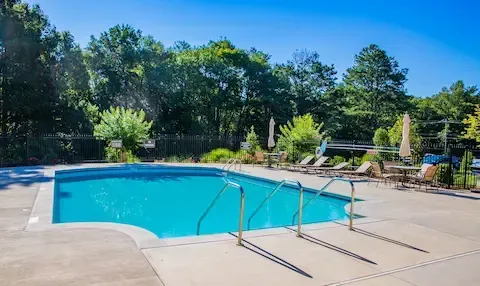
Concrete Pool Deck Contractors Guide for West Linn
Understanding Pool Deck Materials in West Linn
Concrete stands as the most versatile and durable choice for pool decks in West Linn's challenging climate. Unlike other materials that may crack, warp, or become slippery when wet, properly installed concrete provides decades of reliable performance around your pool area. The key lies in understanding how West Linn's unique conditions affect material selection and installation techniques.
Pool deck concrete requires specialized mix designs that account for constant moisture exposure, freeze-thaw cycles, and the need for slip resistance. Standard concrete mixes often fail in pool environments due to inadequate drainage considerations and surface treatments that become hazardous when wet.
The investment in quality concrete installation pays dividends through reduced maintenance costs and enhanced safety. When properly designed with appropriate slope, drainage channels, and surface textures, concrete pool decks handle West Linn's heavy winter rains and summer heat cycles without compromising functionality or appearance.
Climate Considerations for Oregon Pool Decks
West Linn's marine climate presents unique challenges for pool deck construction. Annual rainfall averaging 45 inches requires exceptional drainage design to prevent standing water and ice formation. Temperature fluctuations between summer highs in the 80s and winter lows near freezing create expansion and contraction stresses that inferior installations cannot withstand.
Moisture penetration represents the primary threat to concrete pool decks in Oregon. Without proper sealing and drainage, water infiltrates the concrete matrix, leading to freeze-thaw damage, efflorescence, and structural degradation. Professional installations address these concerns through vapor barriers, proper concrete mix ratios, and strategic joint placement.
The extended wet season from October through April demands surface treatments that maintain traction even when saturated. Smooth concrete becomes dangerously slippery around pools, making texture selection critical for safety and liability protection.
Essential Design Elements for Pool Decks
Proper slope design ensures water flows away from both the pool and your home's foundation. Industry standards require a minimum 1/4-inch drop per foot of deck surface, though West Linn's rainfall often necessitates steeper grades of 1/2-inch per foot in areas prone to standing water.
Drainage channels and scuppers direct water to designated collection points rather than allowing sheet flow across the entire deck surface. Strategic placement of these features prevents erosion and maintains deck integrity during heavy rain events common in the Willamette Valley.
Control joints prevent random cracking by providing predetermined failure points that accommodate concrete movement. Spacing these joints every 8-10 feet in both directions creates manageable panels that can expand and contract without compromising the overall structure.
Concrete Pool Deck installations require coordination with pool equipment placement, utility routing, and landscape integration. Planning these elements during initial design prevents costly modifications and ensures optimal functionality.
Surface Finish Options and Selection
Brushed finishes provide excellent traction while maintaining a clean, uniform appearance. The brush texture runs perpendicular to the pool edge, helping direct water flow while creating natural grip patterns that remain effective when wet. This finish works particularly well for traditional pool designs and integrates seamlessly with most architectural styles.
Stamped concrete offers decorative appeal while addressing slip resistance requirements. Popular patterns include slate, stone, and wood textures that complement West Linn's natural landscape aesthetic. However, stamped surfaces require more maintenance to preserve their appearance and may need periodic sealing to maintain color consistency.
Salt finish concrete creates a subtle texture through salt application during the finishing process. This technique produces natural-looking surfaces with excellent slip resistance properties. The organic appearance works well with contemporary pool designs and requires minimal ongoing maintenance compared to more elaborate finishes.
Exposed aggregate finishes reveal decorative stones within the concrete matrix, creating both visual interest and superior traction. Local aggregates from Oregon quarries blend naturally with regional landscape materials while providing long-lasting durability and slip resistance.
Proper Installation Techniques
Excavation depth must accommodate base materials, concrete thickness, and proper drainage components. Standard installations require 4-6 inches of compacted gravel base beneath 4-inch concrete thickness, though heavy clay soils common in West Linn may necessitate deeper excavation and additional base materials.
Reinforcement placement prevents cracking and ensures structural integrity. Wire mesh or rebar grids positioned at mid-depth provide tensile strength that concrete alone cannot achieve. Proper placement requires maintaining adequate concrete cover while positioning reinforcement to handle expected loads and stresses.
Concrete placement timing affects final surface quality and durability. Cool, overcast conditions typical of spring and fall provide optimal curing environments, while summer installations require careful moisture management and protection from rapid drying.
Joint sealing prevents water infiltration that leads to freeze-thaw damage. High-quality polyurethane sealants accommodate movement while maintaining waterproof barriers. Regular inspection and resealing every 3-5 years ensures continued protection against Oregon's wet climate.
Drainage Integration and Water Management
Perimeter drains collect runoff before it can flow toward structures or create erosion problems. These systems connect to existing storm drainage or disperse water to approved infiltration areas. Proper sizing handles peak flow rates during intense rainfall events that characterize Pacific Northwest weather patterns.
Deck drains provide emergency overflow protection when primary drainage becomes overwhelmed. Strategic placement near low points ensures water removal even during extreme weather events. Cover grates must resist clogging while maintaining safe walking surfaces around the pool area.
French drain systems address subsurface water issues that can undermine pool deck stability. These installations become particularly important in West Linn's hillside locations where groundwater management affects long-term structural performance.
Coordination with concrete sidewalk installation basics ensures consistent drainage patterns throughout your property's hardscape elements. Proper integration prevents water from collecting at transition points between different concrete surfaces.
Cost Factors and Investment Analysis
Basic concrete pool decks in West Linn typically range from $8-12 per square foot for standard installations. This pricing includes excavation, base preparation, concrete placement, and basic finishing. However, site conditions, access challenges, and finish selections can significantly impact final costs.
Premium finishes and decorative treatments add $3-8 per square foot to base installation costs. Stamped concrete, exposed aggregate, and colored concrete require specialized materials and techniques that increase both material and labor expenses. Consider these upgrades as long-term investments in property value and aesthetic appeal.
Drainage system integration adds $15-25 per linear foot for perimeter drains and $200-400 per deck drain installation. While these systems increase upfront costs, they prevent expensive water damage and foundation problems that can cost thousands to repair.
Site preparation costs vary significantly based on existing conditions. Level sites with good drainage may require minimal preparation, while sloped locations or areas with poor soil conditions can add $2-5 per square foot to project costs. Professional site evaluation identifies these factors before construction begins.
Maintenance Requirements and Longevity
Regular cleaning prevents stain accumulation and maintains slip-resistant properties. Pressure washing 2-3 times annually removes organic growth, pool chemicals, and debris that can degrade surface quality. Use appropriate pressure settings to avoid damaging decorative finishes or joint sealants.
Sealer application every 3-5 years protects concrete from moisture penetration and chemical damage. Oregon's wet climate accelerates sealer breakdown, making regular reapplication essential for long-term durability. Choose sealers specifically formulated for pool deck applications and local climate conditions.
Joint maintenance prevents water infiltration that leads to structural problems. Annual inspection identifies areas where sealant has failed or cracked. Prompt repair prevents minor issues from developing into costly structural repairs requiring deck replacement.
Winter protection minimizes freeze-thaw damage during West Linn's occasional cold snaps. Ensure proper drainage prevents standing water that can freeze and expand within concrete pores. Remove snow and ice carefully to avoid surface damage from harsh chemicals or aggressive removal techniques.
Selecting Qualified Contractors
Contractor licensing verification ensures compliance with Oregon state requirements and local West Linn building codes. Licensed contractors carry required insurance coverage and demonstrate competency through testing and continuing education requirements. Always verify current license status through state databases.
Portfolio evaluation reveals experience with similar projects and local conditions. Request references from recent pool deck installations in the West Linn area and inspect completed projects when possible. Quality contractors welcome inspection opportunities and provide detailed reference lists.
Insurance coverage protects property owners from liability and ensures contractor accountability. Verify general liability insurance minimum of $1 million and workers' compensation coverage for all employees. Request certificates of insurance directly from insurance carriers rather than accepting copies from contractors.
Written proposals should detail materials, installation methods, warranty terms, and project timeline. Compare proposals carefully to ensure similar scope and quality standards. The lowest bid often indicates shortcuts that compromise long-term performance and durability.
