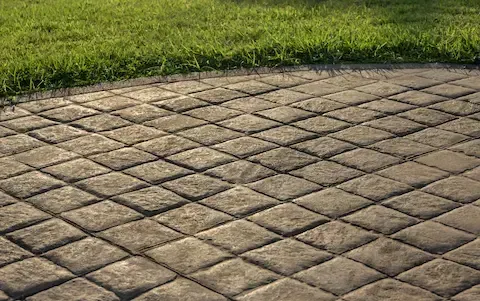
Stamped Concrete Maintenance Tips for West Linn, OR
Stamped concrete in West Linn, OR requires consistent maintenance to hold up through the region's wet winters and humid shoulder seasons. The core steps are straightforward: clean the surface regularly, reseal every one to three years, address cracks early, and avoid harsh deicers. West Linn's mix of heavy rainfall, freeze-thaw cycles, and dense tree cover means stamped concrete faces more stress than in drier climates. If you stay on top of sealing and cleaning, a well-installed decorative concrete surface can last decades without losing its color or texture pattern.
Step 1: Clean the Surface Before Any Other Maintenance
Start every maintenance cycle with a thorough cleaning. Sweep away debris, then rinse with a garden hose or low-pressure washer. Avoid high-pressure settings above 1,500 PSI — aggressive pressure strips sealer and can open hairline cracks in the surface. For mold or algae, which develop easily under West Linn's tree canopy and shade, use a diluted solution of dish soap or a concrete-safe cleaner. Scrub with a stiff nylon brush, not wire, and rinse completely. Let the surface dry for at least 24 hours before moving to any sealing step. Moisture trapped under new sealer causes bubbling and adhesion failure.
Step 2: Inspect for Cracks and Joint Damage
Walk the entire stamped surface and look for hairline cracks, joint separation, or areas where the sealer has turned white or cloudy. Small cracks under 1/8 inch can be addressed with a flexible concrete crack filler rated for decorative surfaces. Larger cracks or sections that have heaved or sunk may indicate a base issue beneath the slab — a condition worth having a local concrete contractor evaluate before you reseal. Sealing over an active structural crack only locks moisture inside. In West Linn neighborhoods near sloped lots or clay-heavy soil, subtle ground movement is common and can accelerate joint stress over time.
Step 3: Choose the Right Sealer for Oregon Conditions
Not all sealers perform equally in the Pacific Northwest. For stamped concrete in West Linn, a solvent-based acrylic sealer or a penetrating silane-siloxane sealer works best. Acrylic sealers enhance color and add a surface sheen, which many homeowners prefer for patios and pool decks. Penetrating sealers absorb into the concrete rather than coating the top, offering excellent moisture resistance without changing the surface appearance — a good choice for driveways or areas with heavy foot traffic. Water-based acrylics are a lower-VOC option that still perform well in moderate West Linn rain conditions. Check that the product is rated for freeze-thaw exposure, since temperatures along the Tualatin River corridor can dip below freezing during January and February.
Step 4: Apply Sealer Correctly
Apply sealer only when the surface temperature is between 50°F and 90°F and no rain is forecast for 24 hours. In West Linn, the narrow windows in late spring and early fall are ideal. Use a pump sprayer or a short-nap roller — thin, even coats outperform thick applications every time. Thick sealer layers trap air, yellow under UV exposure, and peel. Two thin coats with one to two hours of drying time between applications is the standard approach. Keep foot traffic off the surface for at least 24 hours after the final coat. For Stamped Concrete surfaces with deep texture, a brush or roller helps work sealer into the pattern valleys without pooling.
Step 5: Set a Resealing Schedule
Stamped concrete in Oregon typically needs resealing every one to three years, depending on traffic, UV exposure, and weather severity. A simple test tells you when it's time: sprinkle water on the surface. If it beads up, the sealer is still working. If it soaks in quickly, the sealer has worn thin and you're past due. High-traffic areas like driveways or entry walks wear faster than covered patios. Keeping a dated maintenance log helps you track sealer age and plan ahead. Most West Linn homeowners find that scheduling maintenance in late spring — after the rainy season breaks — sets up the surface well for summer use.
Step 6: Avoid Common Maintenance Mistakes
Several habits accelerate damage to stamped decorative concrete. Using rock salt or calcium chloride deicers during winter freeze events draws moisture into the slab and attacks the sealer bond — use sand for traction instead. Dragging metal furniture or heavy equipment across the surface scratches the sealer layer. Leaving standing water from clogged downspouts or poor drainage sitting against the concrete edge encourages efflorescence and long-term moisture penetration. If you've read more about how West Linn's rainfall affects stamped surfaces, the post on stamped concrete durability in PNW rain covers the structural side of moisture resistance in detail. Avoiding these mistakes extends time between resealing cycles and keeps color consistent longer.
Step 7: Plan for Seasonal Conditions in West Linn
West Linn's climate creates distinct maintenance windows. The wet season running from October through April is not ideal for sealing but is a good time for inspection and cleaning. Mark any problem areas during winter walkthroughs so you're ready to act when dry conditions return. Spring is the prime maintenance window — surface temperatures stabilize, rainfall decreases, and the concrete has had time to release any moisture built up over winter. Fall touch-ups are possible in September if the forecast cooperates. Building a simple seasonal routine around West Linn's weather patterns is the most practical way to extend the life of any decorative concrete surface on your property.
