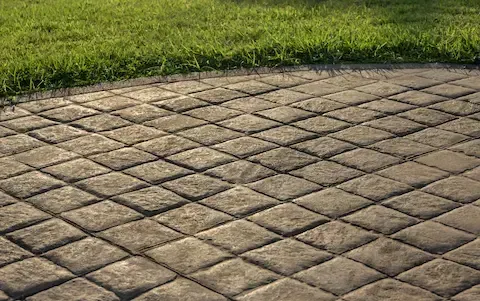
Sealing Stamped Concrete Before Winter in West Linn
Sealing stamped concrete before winter in West Linn protects your decorative surface from Oregon's heavy rainfall, freeze-thaw cycles, and surface erosion. The process involves cleaning the slab, allowing it to dry completely, selecting a penetrating or film-forming sealer suited to stamped work, and applying it in dry conditions above 50°F. West Linn's wet season typically arrives in October, so aim to seal in September or early October. Done correctly, sealing preserves color depth, prevents spalling, and extends the life of your decorative concrete by several years.
Step 1: Inspect the Surface for Damage
Before applying any sealer, walk the entire stamped concrete area and look for cracks, flaking, or areas where previous sealer has peeled. West Linn properties near the Tualatin River or in low-lying neighborhoods often see moisture intrusion from below, which can cause bubbling when new sealer traps existing dampness. Mark any problem spots. Small hairline cracks should be filled with a flexible polyurethane concrete caulk before sealing. Attempting to seal over existing damage accelerates deterioration rather than slowing it. If you notice significant spalling or deep cracks, consult a qualified contractor before proceeding. Stamped Concrete professionals can assess whether the slab needs repair work prior to sealing.
Step 2: Strip Old Sealer If Needed
If the existing sealer is peeling, whitening, or showing tire marks that won't wash off, it must be stripped before recoating. Apply a xylene-based or biodegradable sealer stripper following the manufacturer's dilution instructions. Work it into the surface with a stiff brush, let it dwell for 15 to 20 minutes, then scrub and rinse thoroughly. Skipping this step and sealing over a failing coat traps moisture and causes adhesion failure within one season. For West Linn patios and driveways exposed to heavy leaf fall from fir and maple trees, stripping every two to three years is common before winter reapplication.
Step 3: Clean the Concrete Thoroughly
A clean surface is non-negotiable for sealer adhesion. Use a pressure washer set between 1,500 and 2,500 PSI to remove dirt, algae, and organic staining. West Linn's humid climate means algae and moss growth on shaded surfaces is particularly common. For stubborn staining, apply a concrete degreaser or diluted muriatic acid wash, then neutralize and rinse completely. Allow the slab to dry for a minimum of 24 hours in warm weather—72 hours or more if overnight temperatures have been below 60°F. Moisture trapped under sealer is the primary cause of premature sealer failure in the Pacific Northwest.
Step 4: Choose the Right Sealer
Two main sealer types suit stamped concrete: penetrating sealers and topical film-forming sealers. Penetrating silane-siloxane sealers soak into the concrete matrix and repel water without changing the surface appearance. These work well for West Linn driveways that need traction and low maintenance. Topical acrylic sealers form a protective film on top of the surface, enhance color saturation, and add sheen—ideal for decorative patios where visual impact matters. For stamped work, a solvent-based acrylic sealer typically delivers richer color enhancement than water-based versions, though water-based formulas are lower in VOCs and easier to apply. Select a sealer rated for freeze-thaw exposure if your property sits at higher elevation in West Linn's hill neighborhoods where temperatures occasionally drop below freezing overnight.
Step 5: Apply the Sealer in Proper Conditions
Check the forecast before you start. You need a minimum of 24 to 48 hours of dry weather after application, with temperatures staying between 50°F and 90°F. West Linn's September window is usually reliable, but October becomes unpredictable quickly. Apply sealer using a low-pressure pump sprayer or a short-nap roller—avoid high-pressure application, which creates uneven distribution. Work in thin, even coats, moving in one direction. Apply a second coat perpendicular to the first after the initial coat tacks off, typically 30 to 60 minutes depending on temperature and humidity. Two thin coats always outperform one heavy coat. Heavy application causes whitening and peeling within months.
Step 6: Allow Full Cure Before Exposure
Keep foot traffic off the sealed surface for a minimum of 24 hours. Wait 72 hours before allowing vehicle traffic on a driveway. Full cure can take up to seven days depending on sealer chemistry and ambient temperature. During cure, do not allow water to contact the surface. If unexpected rain arrives, cover the slab with plastic sheeting temporarily. Once cured, your stamped concrete is significantly better prepared for West Linn's rainy season. Reapplication is typically needed every two to three years for topical acrylic sealers, or every three to five years for penetrating sealers. For ongoing care between sealing cycles, review these stamped concrete maintenance tips to keep your surface performing well through Oregon's wet months.
Step 7: Monitor Through the Season
Once winter arrives, check the surface periodically for areas where water is pooling or where sealer appears to be wearing unevenly. Standing water indicates either a drainage issue or a spot where sealer coverage was thin. Avoid using rock salt or chloride-based ice melt on sealed stamped concrete—these compounds penetrate micro-gaps in the sealer film and cause surface scaling. Sand or a sand-and-liquid-deicer blend is a safer alternative for the rare West Linn freezing event. Catching small issues mid-season allows spot treatment rather than a full reapplication the following year.
