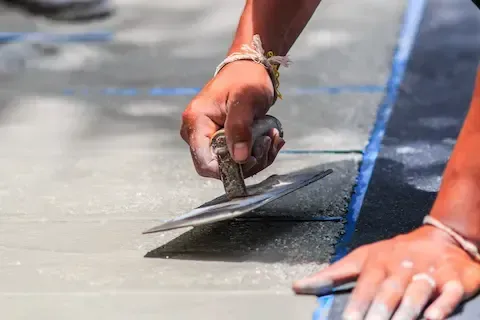
When to Repair vs Replace Concrete in West Linn OR
In West Linn, OR, whether to repair or replace concrete depends on crack width, slab age, and how much of the surface is affected. Repairs work well when cracks are hairline to ¼ inch wide, the slab is under 20 years old, and damage covers less than 30% of the surface. Replacement makes more sense when cracks run deep through the full slab thickness, when multiple sections have shifted or sunken, or when the concrete is approaching the end of its functional lifespan. A qualified West Linn contractor can assess both options and give you an honest cost comparison before any work begins.
How Do You Know If a Crack Needs Repair or Full Replacement?
Crack width and depth are the two most reliable indicators. Hairline cracks and surface crazing are cosmetic issues that respond well to patching and resurfacing. Cracks wider than ¼ inch, especially those that have shifted vertically between sections, suggest structural movement beneath the slab. In West Linn, where seasonal rain and ground saturation are common, soil erosion under a slab can cause ongoing settlement. If you probe a crack and find it runs all the way through the slab, replacement is usually the more durable long-term choice. Surface-only damage with a structurally sound base below is a strong candidate for repair.
What Role Does Slab Age Play in the Repair vs Replace Decision?
Concrete has a typical lifespan of 25 to 50 years depending on mix quality, load exposure, and how well it was installed. If your driveway or patio is under 15 years old and showing isolated damage, repair almost always makes financial sense. Investing in full replacement for a relatively young slab with a single problem area is difficult to justify. On the other hand, a 35-year-old slab showing widespread spalling, multiple cracked sections, and surface deterioration across most of its area is likely approaching the end of its useful life. Patching an aging slab repeatedly adds cost without extending its life in a meaningful way. For concrete repair that makes sense given your slab's age, a professional assessment is the most reliable starting point.
How Much Damage Is Too Much to Repair?
A general threshold used by most concrete contractors is the 30% rule. If the damaged area covers less than 30% of the total slab surface, repair is typically cost-effective. Above that threshold, the cost of patching and the continued risk of further deterioration often push the decision toward replacement. In West Linn neighborhoods like Rosemont or Bolton, where concrete driveways and walkways take regular weather exposure, this threshold can be reached faster than homeowners expect if drainage issues go unaddressed. Count the number of distinct problem areas, not just one visible crack, before making your decision.
Does the Type of Concrete Surface Affect the Choice?
Yes. Decorative concrete, stamped surfaces, and colored slabs are harder to repair invisibly than plain gray concrete. Color-matching is rarely perfect, and textured patterns are difficult to replicate in small patches. If the surface was originally stamped or stained and damage is significant, replacement may preserve the aesthetic value better than a patchwork repair. Plain structural concrete — sidewalks, utility pads, basic driveways — is much more forgiving of visible patch work, especially in utility areas where appearance is secondary to function. Before committing to either path, review your concrete resurfacing and repair options to see if a full overlay could restore the look without full demolition.
What Are the Cost Differences Between Repair and Replacement?
Repair costs in the West Linn area typically range from a few hundred dollars for minor crack filling to $1,500 or more for larger patching and leveling projects. Full replacement of a standard driveway or patio runs considerably higher, often $4,000 to $10,000 or more depending on size, access, and reinforcement. The cost gap is significant, but it is not the only consideration. A repair that fails within two years and requires another round of work ends up costing more than a single properly timed replacement. Ask your contractor for a realistic estimate of how long the repair is expected to hold given current slab conditions. If replacement turns out to be the answer, our breakdown of what a concrete driveway costs in West Linn covers the variables that move the number most.
Are There West Linn-Specific Factors That Influence This Decision?
West Linn's climate plays a direct role in concrete longevity. The area receives significant annual rainfall, and soil in parts of the city — particularly near hillside properties and areas along the Tualatin River corridor — is prone to shifting and saturation. Freeze-thaw cycles, while less severe than in colder climates, still cause surface spalling on older concrete. Tree roots near sidewalks and driveways in established West Linn neighborhoods like Sunset and Willamette are a common cause of slab lifting that repair alone cannot solve. If root intrusion or slope drainage is driving the damage, no surface repair will hold without addressing the underlying cause first.
When Should You Get a Professional Opinion Before Deciding?
Any time you are unsure whether damage is cosmetic or structural, getting a professional evaluation before spending money is the right move. A contractor experienced with West Linn properties can probe cracks, assess base conditions, check for voids beneath the slab, and give you a realistic picture of what each option will cost and how long it will last. Avoid making the repair-versus-replace decision based on surface appearance alone. Some slabs look worse than they are and repair beautifully. Others look manageable but have lost structural integrity at the base. A physical inspection resolves that uncertainty quickly.
