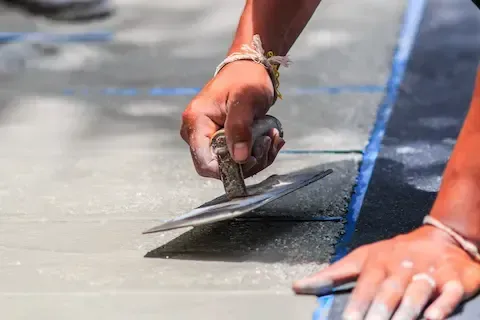
Concrete Resurfacing and Crack Repair in West Linn
Concrete surfaces throughout West Linn face unique challenges from the Pacific Northwest climate, with wet winters and temperature fluctuations creating stress fractures and surface deterioration over time. Whether you're dealing with a cracked driveway, settling patio, or damaged walkway, understanding when to resurface versus when to pursue full replacement can save thousands of dollars while ensuring long-term durability.
The decision between resurfacing and complete replacement depends on several critical factors: the depth and extent of existing damage, the age of the concrete, underlying soil conditions, and your long-term property goals. West Linn's clay-rich soil and seasonal moisture changes create specific considerations that influence which repair approach will deliver the best results for your investment.
Understanding Concrete Resurfacing Applications
Concrete resurfacing involves applying a new layer of specialized concrete mixture over existing surfaces, typically ranging from 1/4 inch to 2 inches thick. This process works exceptionally well for surfaces with cosmetic damage, minor settling, or wear patterns that haven't compromised the structural integrity of the underlying concrete.
Ideal candidates for resurfacing include driveways with surface scaling, patios with minor cracks less than 1/4 inch wide, walkways with uneven textures, and pool decks with superficial damage from freeze-thaw cycles. The existing concrete must remain structurally sound with minimal shifting or major settlement issues.
In West Linn's hillside neighborhoods, resurfacing often proves effective for addressing surface-level problems caused by water runoff and minor ground movement. The process can restore both functionality and appearance while extending the life of your concrete surfaces by 10-15 years when properly executed.
Modern resurfacing materials include polymer-modified overlays, micro-toppings, and stamped overlay systems that can replicate the appearance of natural stone, brick, or decorative patterns. These options provide both repair benefits and aesthetic upgrades that increase property value throughout West Linn's competitive real estate market.
Crack Repair Techniques and Timing
Effective crack repair begins with proper assessment of crack patterns, depth, and movement characteristics. Static cracks that haven't changed over time respond well to standard repair methods, while active cracks that continue expanding require different approaches to prevent recurring failures.
Hairline cracks measuring less than 1/8 inch wide typically qualify for surface sealing using flexible polyurethane or silicone-based compounds. These repairs work well for preventing water infiltration and further deterioration, particularly important during West Linn's rainy season when moisture penetration accelerates concrete degradation.
Medium-width cracks between 1/8 and 1/2 inch require routing and sealing techniques that create a reservoir for repair material. This process involves cutting a uniform groove along the crack path, cleaning out debris, and filling with appropriate sealant that can accommodate minor movement without failing.
Wide cracks exceeding 1/2 inch or showing signs of vertical displacement often indicate underlying structural issues that may require professional concrete repair involving partial replacement or specialized injection techniques using epoxy or polyurethane resins.
Timing crack repairs correctly prevents minor problems from becoming major expenses. Address cracks before winter arrives, as West Linn's freeze-thaw cycles can transform small cracks into significant structural damage within a single season.
Assessing Structural Integrity and Foundation Issues
Before committing to resurfacing, thorough evaluation of the underlying concrete structure determines whether surface treatments will provide lasting solutions. Signs of structural compromise include widespread cracking patterns, significant settling or heaving, spalling around reinforcement, and areas with hollow sounds when tapped.
West Linn's varied topography creates unique foundation challenges, with some properties built on stable bedrock while others sit on expansive clay soils that shift with moisture content. Understanding your specific soil conditions influences repair strategies and long-term success rates.
Professional assessment involves checking for proper drainage around concrete surfaces, evaluating joint spacing and condition, measuring any differential settlement, and determining if reinforcement remains adequate for current loads. These factors directly impact whether resurfacing will bond properly and perform as expected.
Areas showing signs of subsurface water infiltration, such as efflorescence or rust stains, require addressing underlying drainage issues before any surface repair work. Failing to resolve moisture problems guarantees premature failure of resurfacing efforts regardless of material quality or installation expertise.
Load-bearing considerations become critical for driveways and commercial surfaces where heavy vehicle traffic occurs regularly. Structural capacity assessments ensure that resurfacing materials can handle expected loads without premature failure or safety concerns.
Material Selection and Climate Considerations
Oregon's climate demands specific material characteristics for successful concrete resurfacing projects. Temperature fluctuations, extended wet periods, and UV exposure require materials engineered to handle these environmental stresses while maintaining bond strength and appearance.
Polymer-modified resurfacing compounds offer superior flexibility and adhesion compared to standard concrete mixes, making them ideal for West Linn applications where slight movement occurs seasonally. These materials typically cost 20-30% more than conventional options but provide significantly longer service life.
Fiber reinforcement becomes essential for thin resurfacing applications, with options including synthetic fibers, steel fibers, or hybrid systems depending on specific performance requirements. Proper fiber selection prevents shrinkage cracking and improves impact resistance.
Color and texture options allow matching existing concrete or creating entirely new aesthetic appearances. Integral color systems provide fade resistance important for maintaining appearance throughout Oregon's sunny summer months, while surface-applied stains offer more dramatic color variations.
Curing compounds and sealers specifically formulated for Pacific Northwest conditions protect resurfaced areas from moisture infiltration and freeze-thaw damage. Quality sealers applied according to manufacturer specifications typically extend surface life by 40-50% compared to unsealed applications.
Common Installation Mistakes and Prevention
Inadequate surface preparation represents the most frequent cause of resurfacing failures, with poor cleaning, insufficient profiling, or contamination preventing proper adhesion between old and new concrete layers. Professional preparation includes pressure washing, mechanical abrading, and chemical etching as needed.
Moisture-related failures occur when resurfacing proceeds over damp substrates or during periods of high humidity without proper precautions. West Linn's wet climate requires careful moisture testing and potentially extending cure times to ensure optimal bonding.
Thickness variations create weak points where thin areas crack under stress while thick areas may not bond properly to the substrate. Maintaining consistent thickness requires skilled application techniques and proper screeding methods throughout the installation process.
Joint neglect causes problems when existing control joints aren't properly maintained or new joints aren't cut in resurfaced areas. Failing to address joint requirements results in random cracking as the concrete seeks natural release points for shrinkage stresses.
Temperature-related issues arise from working during extreme weather conditions or failing to protect newly applied materials from rapid temperature changes. Oregon's variable spring and fall weather requires flexible scheduling and protective measures during cure periods.
Local Considerations for West Linn Properties
West Linn's building codes and homeowner association requirements may influence repair approaches, particularly for visible areas like driveways and front walkways. Some neighborhoods maintain architectural standards that affect color choices, texture patterns, and overall design integration.
The city's stormwater management requirements increasingly emphasize pervious surfaces and drainage considerations. Resurfacing projects may need to incorporate drainage improvements or pervious materials to comply with current regulations while addressing existing problems.
Seasonal timing becomes critical due to West Linn's distinct wet and dry periods. Most resurfacing work performs best during late spring through early fall when temperatures remain stable and moisture levels allow proper curing without weather-related complications.
Property value considerations in West Linn's premium real estate market favor repairs that enhance curb appeal while addressing functional issues. Quality resurfacing work often returns 60-80% of investment costs through increased property values and improved marketability.
Access challenges in some West Linn locations require careful planning for material delivery and equipment placement. Hillside properties or areas with limited vehicle access may influence repair methods and scheduling to accommodate logistical constraints.
Professional Assessment and Long-term Planning
Professional evaluation provides objective assessment of repair options, cost-benefit analysis, and realistic expectations for different approaches. Experienced contractors familiar with West Linn conditions can identify potential complications and recommend solutions tailored to your specific situation.
Comprehensive assessments include drainage evaluation, soil stability analysis, structural capacity review, and discussion of maintenance requirements for different repair approaches. This information enables informed decisions about immediate repairs versus long-term replacement planning.
Maintenance planning extends the life of resurfaced concrete through scheduled cleaning, sealing, and minor repair activities. Developing a maintenance schedule prevents small problems from becoming major issues while protecting your repair investment.
For comprehensive guidance on foundation-related concrete issues, our foundation repair overview provides detailed information about addressing underlying structural problems that may impact surface repair success.
Warranty considerations vary significantly between repair approaches, with quality resurfacing typically warranted for 3-5 years while complete replacement may include 10-15 year structural warranties. Understanding warranty coverage helps evaluate long-term value propositions for different repair strategies.
Making the Right Choice for Your Property
The decision between resurfacing and replacement ultimately depends on balancing immediate costs against long-term performance expectations while considering your property's specific conditions and future plans. Resurfacing typically costs 30-50% less than replacement while providing 60-70% of the service life when properly executed.
Consider resurfacing when existing concrete remains structurally sound, damage is primarily cosmetic or surface-level, and your timeline allows for proper surface preparation and installation. This approach works particularly well for properties planning to sell within 5-10 years or those seeking cost-effective improvements.
Choose replacement when structural issues exist, repeated repairs haven't provided lasting solutions, or long-term property ownership justifies the additional investment. Complete replacement allows addressing underlying problems and incorporating current design standards and drainage requirements.
West Linn's unique combination of climate challenges, soil conditions, and property values requires careful consideration of all factors before committing to any repair approach. Professional consultation ensures you make informed decisions that protect both your investment and your property's long-term value.
