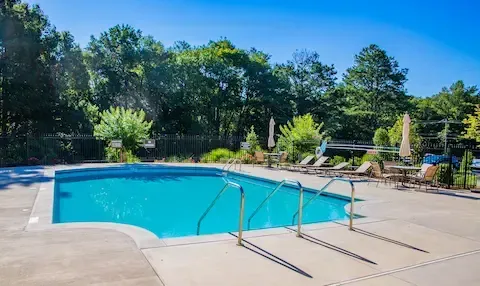
Pool Deck Repair and Reseal Before Summer in West Linn
Pool decks in West Linn take real punishment over winter. Oregon's wet season brings standing water, repeated freeze-thaw cycles, and algae growth that all degrade concrete surfaces. Before you open your pool for summer, inspect your deck carefully for cracks, spalling, or sealant failure. Most repairs—crack filling, surface patching, and resealing—can be completed in a weekend if the work is staged correctly. Catching damage early prevents water from undermining the slab and keeps your deck safe for bare feet all season long.
Step 1: Inspect the Entire Deck Surface
Walk the full perimeter of your pool deck while the concrete is dry—early morning before dew settles is ideal in West Linn's spring climate. Look for hairline cracks, spalling edges near the coping, discoloration from standing water, and any areas where the existing sealant has turned white or peeled. Press firmly on sections that look uneven; hollow spots indicate sub-slab erosion, which requires professional attention before any surface work begins. Mark problem areas with chalk so you have a clear map of repairs needed before you buy materials.
Step 2: Clean the Concrete Thoroughly
No sealant bonds properly to a dirty surface. Pressure wash the entire deck using a minimum 2,000 PSI washer, holding the nozzle at a consistent angle to avoid etching. West Linn's wet winters leave behind algae, mildew, and embedded organic debris that standard garden hoses cannot remove. For stubborn stains near the waterline, apply a concrete degreaser and scrub with a stiff brush before rinsing. Allow the slab to dry completely—typically 48 to 72 hours given Oregon's humidity levels—before moving to the next step. Rushing this stage is the most common reason sealant fails prematurely.
Step 3: Fill Cracks and Patch Spalled Areas
Use a polyurethane or epoxy crack filler rated for exterior concrete. For cracks narrower than one-quarter inch, a self-leveling sealant injected directly into the gap works well. Wider cracks need to be routed first to create clean, consistent edges that hold filler securely. Spalled patches—where the surface layer has flaked away—require a polymer-modified concrete resurfacer, feathered at the edges so there is no raised lip that could trip someone or collect water. Let every repair cure to full hardness according to the product label before applying any sealant over the top. In Oregon's variable spring temperatures, that often means waiting longer than the label minimum.
Step 4: Apply a Pool-Rated Concrete Sealant
Not all concrete sealants are appropriate for pool decks. You need a product rated for wet environments, UV exposure, and foot traffic. Acrylic-based sealants are the most common choice for residential pool decks around West Linn because they are easy to apply, dry relatively fast, and provide a slip-resistant finish when broadcast sand is added to the wet coat. Penetrating sealants offer longer-term protection but require more surface preparation. Apply in two thin coats rather than one thick coat, rolling in opposite directions to ensure even coverage. Avoid applying when rain is forecast within 24 hours—check the Clackamas County forecast closely in May and early June.
Step 5: Allow Full Cure Time Before Pool Opening
Even when a sealant feels dry to the touch, the chemical cure continues beneath the surface. Most pool deck sealants require 72 hours of dry conditions before the deck can handle foot traffic and five to seven days before pool water should splash regularly across the surface. Plan your repair timeline so the cure period ends at least a week before you plan to open the pool. If you are coordinating with a pool service to open the system, schedule the deck work first. A properly sealed and cured Concrete Pool Deck will hold up through a full Oregon summer and go into next winter in far better condition.
When to Call a Professional
Some conditions go beyond DIY repair. If your deck shows wide structural cracks running across multiple slabs, significant sinking or heaving, or damage at the expansion joints where the deck meets the pool coping, these are signs of movement in the underlying base. In West Linn, where properties often sit on hillsides with significant soil variation, sub-base issues are not uncommon. A professional concrete contractor can assess whether grinding, mud jacking, or full section replacement is the right fix. For a deeper look at material choices and long-term planning, review concrete pool deck options and costs before committing to a repair approach.
