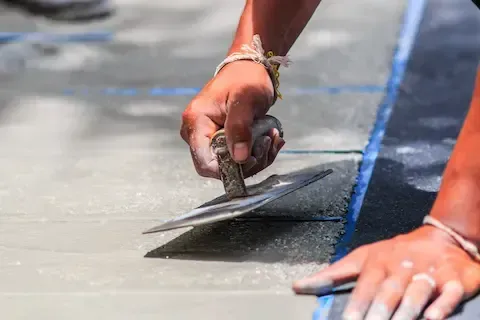
Freeze-Thaw Damage to Concrete in West Linn, Oregon
Freeze-thaw damage occurs when water absorbed into concrete repeatedly freezes and expands, then thaws and contracts. In West Linn, Oregon, winter temperatures hover near freezing throughout December, January, and February, creating conditions where a single cold snap can trigger multiple freeze-thaw cycles in one week. This repeated stress fractures the internal structure of concrete, causing surface scaling, spalling, and deeper cracking. Driveways, sidewalks, and patios in West Linn neighborhoods like Rosemont Ridge and Sunset are especially vulnerable when concrete is older, porous, or was installed without air-entraining additives.
What Makes West Linn Concrete Vulnerable to Freeze-Thaw Cycles?
Not all concrete fails equally under winter conditions. Several factors determine how quickly freeze-thaw cycles break down a surface in the West Linn area.
- Porosity: Concrete with a higher water-to-cement ratio absorbs more moisture. When that moisture freezes, it expands by roughly nine percent, exerting pressure that exceeds the tensile strength of the material.
- Age: Older slabs installed before modern mix standards were common often lack air-entraining agents, which create microscopic air pockets that give expanding water somewhere to go.
- Deicers: Sodium chloride and calcium chloride salts used on roads and driveways in Clackamas County dramatically accelerate surface deterioration by increasing freeze-thaw cycling frequency and drawing moisture deeper into the slab.
- Poor drainage: Flat or low-slope surfaces near homes in West Linn's hillside neighborhoods often collect standing water, giving concrete prolonged moisture exposure before temperatures drop.
- Inadequate curing: Concrete poured without sufficient curing time develops less strength and more internal porosity, making it far more susceptible to winter damage from the start.
What Does Freeze-Thaw Damage Actually Look Like?
Identifying freeze-thaw damage early allows you to address it before it spreads through the entire slab. Watch for these specific signs on your West Linn property:
- Surface scaling: Thin layers of the concrete surface flake away, leaving a rough, pitted texture. This is often the first visible sign and appears after one or two severe Oregon winters.
- Spalling: Larger chunks break off, exposing the aggregate beneath. Spalling typically signals more advanced damage where the freeze-thaw cycle has penetrated deeper into the slab.
- Map cracking: A network of shallow cracks resembling a road map appears across the surface. These cracks allow water to penetrate further, accelerating the deterioration cycle.
- Corner and edge deterioration: Corners and edges of slabs lose material first because they are exposed on multiple sides and shed heat faster, freezing sooner and thawing later than the slab center.
If you are noticing any of these signs, understanding when to repair versus replace concrete will help you make the right call before winter causes additional damage.
How Does West Linn's Climate Specifically Affect Concrete?
West Linn sits at elevations ranging from near sea level along the Willamette River to over 700 feet in the Rosemont and Skylands areas. That elevation difference matters for concrete. Higher-elevation properties experience more frequent sub-freezing temperatures and may see ice and snow when lower-elevation neighborhoods remain above freezing. Rainfall in West Linn averages over 45 inches annually, keeping soil and concrete surfaces saturated through fall and early winter. When December cold arrives, that moisture is already embedded in porous surfaces. The combination of heavy precipitation followed by near-freezing temperatures is precisely the condition that maximizes freeze-thaw cycling damage to concrete.
Can You Prevent Freeze-Thaw Damage Before It Starts?
Prevention is significantly more cost-effective than repair or replacement. Several strategies reduce freeze-thaw vulnerability for concrete in West Linn:
- Sealing: A quality penetrating concrete sealer applied before winter limits moisture absorption. Sealers should be reapplied every two to three years depending on surface traffic and exposure.
- Air-entrained mixes: When installing new concrete, specifying an air-entrained mix with four to seven percent air content gives expanding ice room to move without fracturing the paste.
- Proper slope and drainage: Ensuring your driveway or patio slopes away from structures and drains efficiently reduces standing water and limits the moisture available to freeze inside the slab.
- Avoiding harmful deicers: Use sand for traction instead of rock salt. If you must use a deicer, choose products labeled safe for concrete and apply them sparingly.
- Protective coverings: In severe cold snaps, covering exposed concrete areas with insulating blankets or tarps can slow the freeze cycle and reduce internal expansion pressure.
When Is Freeze-Thaw Damage Repairable Versus a Full Replacement Signal?
Surface scaling and minor spalling affecting only the top quarter-inch of a slab can often be addressed with resurfacing compounds or patching materials, provided the structural integrity of the slab beneath is sound. Deeper spalling, widespread map cracking, or damage that extends through the full slab thickness typically indicates that concrete repair techniques alone will not deliver a lasting result and full replacement should be evaluated. A professional assessment considers the depth of damage, the age of the slab, and whether the underlying base and drainage conditions have also been compromised. In West Linn, where soils on hillside lots can shift seasonally, base condition matters as much as the surface itself.
What Are Common Mistakes West Linn Homeowners Make With Winter Concrete?
Several well-intentioned habits actually worsen freeze-thaw damage outcomes:
- Applying rock salt repeatedly throughout winter without realizing it pulls moisture into the concrete rather than just melting surface ice.
- Sealing concrete in late fall without allowing sufficient surface drying time first, which traps moisture inside the slab before freezing temperatures arrive.
- Patching spalled surfaces with standard mortar mixes not rated for freeze-thaw exposure, which fail within one or two winters.
- Ignoring early scaling because it appears cosmetic, allowing water infiltration to worsen before the next freeze cycle arrives.
