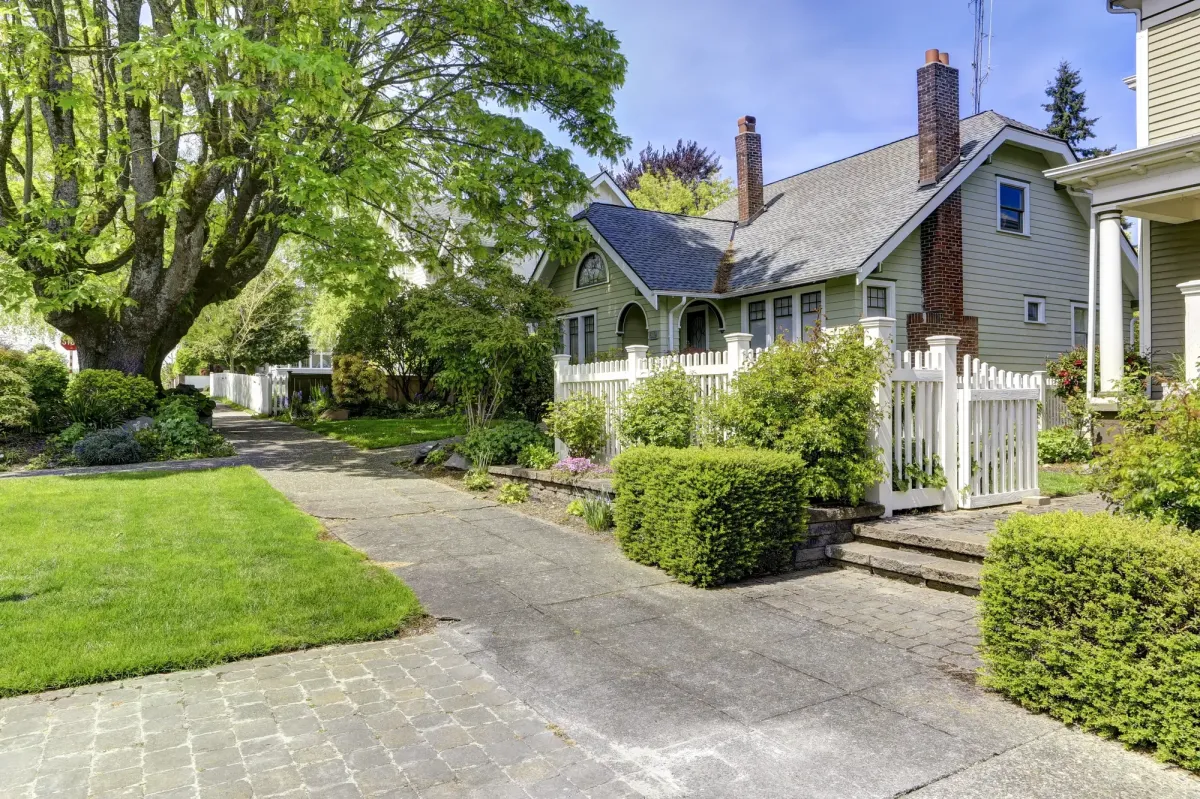
Concrete Sidewalk Installation for West Linn Homes
Installing concrete sidewalks in West Linn requires careful attention to local building codes, Oregon's challenging weather conditions, and proper construction techniques that ensure long-lasting durability. Whether you're replacing deteriorating walkways or adding new pedestrian access to your property, understanding the specific requirements for West Linn concrete installations will help you navigate permits, choose appropriate materials, and avoid costly mistakes that could compromise your investment.
West Linn Sidewalk Installation Requirements
West Linn's municipal codes establish specific standards for residential sidewalk construction that property owners must follow. The city requires sidewalks to be at least four feet wide along public right-of-ways, with a minimum thickness of four inches for residential applications. Commercial properties typically need six-inch thickness to handle increased foot traffic and potential vehicle crossings.
Proper grading becomes critical in West Linn due to the area's significant elevation changes and drainage considerations. Your sidewalk must slope away from structures at a minimum rate of one-quarter inch per foot to prevent water accumulation against foundations. The Oregon Building Code also mandates that sidewalks maintain a cross-slope not exceeding two percent to ensure accessibility compliance.
Reinforcement requirements vary based on soil conditions and expected loads. Most West Linn installations benefit from welded wire mesh or rebar reinforcement, particularly in areas with expansive clay soils common throughout the region. Professional contractors often recommend adding fiber reinforcement to the concrete mix for additional crack resistance in Oregon's freeze-thaw climate.
Permit and Approval Process
Before beginning any sidewalk installation in West Linn, you must obtain proper permits through the city's Community Development Department. The permit process typically takes two to three weeks and requires detailed plans showing the proposed walkway location, dimensions, and drainage connections.
Your permit application must include a site plan drawn to scale, showing property boundaries, existing structures, and the proposed sidewalk alignment. The city reviews these plans to ensure compliance with setback requirements, accessibility standards, and stormwater management regulations. Properties in historic districts may face additional review requirements that can extend the approval timeline.
Once approved, the installation must pass city inspections at specific stages. The initial inspection occurs after excavation and base preparation but before concrete placement. A final inspection ensures the completed sidewalk meets all code requirements and receives proper finishing for slip resistance and durability.
Climate Considerations for Oregon Installations
Oregon's wet climate presents unique challenges for concrete sidewalk installations that differ significantly from drier regions. West Linn receives substantial rainfall from October through May, requiring careful timing of concrete pours and extended curing protection during wet weather periods.
Freeze-thaw cycles, while less severe than in colder climates, still impact concrete durability in West Linn. Proper concrete mix design becomes essential, incorporating air entrainment to create microscopic bubbles that accommodate ice expansion. The concrete should achieve a minimum compressive strength of 3,500 PSI to withstand weather stresses over time.
Drainage design must account for Oregon's intense winter storms that can deliver several inches of rain in short periods. Your sidewalk installation should include adequate sub-base drainage, typically consisting of four to six inches of crushed rock base material. This foundation prevents water accumulation beneath the concrete that could lead to settling, cracking, or frost heaving during cold snaps.
Professional installers in West Linn often recommend scheduling concrete pours for late spring through early fall when weather conditions provide optimal curing conditions. Winter installations require heated enclosures and specialized curing blankets to protect the concrete during its critical first week of strength development.
Common Installation Mistakes to Avoid
One of the most frequent errors in West Linn sidewalk installations involves inadequate base preparation. Many homeowners underestimate the importance of proper excavation depth and compaction, leading to uneven settling and premature cracking. The excavated area should extend at least six inches beyond the sidewalk edges and be compacted to 95% density using mechanical compactors.
Incorrect concrete mix specifications represent another common problem. Using standard mixes designed for interior applications fails to provide the durability needed for Oregon's outdoor conditions. Your concrete should include proper air entrainment, adequate cement content, and low water-cement ratios to resist freeze-thaw damage and surface scaling.
Improper joint placement and timing frequently cause aesthetic and structural problems in sidewalk installations. Control joints should be spaced at intervals no greater than the sidewalk width and cut to one-quarter of the slab thickness within 24 hours of placement. Waiting too long to cut joints often results in random cracking that compromises both appearance and longevity.
Insufficient curing protection during Oregon's wet season leads to reduced concrete strength and increased permeability. Many installations fail because contractors remove protective coverings too early or fail to maintain adequate moisture during the critical first seven days of curing.
Soil and Site Preparation Specifics
West Linn's diverse soil conditions require careful evaluation before sidewalk installation begins. The area contains everything from well-draining gravelly soils to expansive clay deposits that can cause significant movement problems if not properly addressed.
Clay soils, common in many West Linn neighborhoods, expand when wet and shrink during dry periods. These volume changes can crack concrete sidewalks or cause uneven settlement. Proper preparation involves excavating clay soils to adequate depth and replacing them with engineered fill materials that provide stable support.
Slope stability becomes a consideration on many West Linn properties due to the area's hilly terrain. Sidewalks on sloped sites require additional engineering considerations, including proper retaining structures, enhanced drainage systems, and potentially deeper foundations to prevent sliding or undermining during heavy rains.
Utility locations must be identified and marked before excavation begins. West Linn's mature neighborhoods often have complex underground utility networks that can complicate sidewalk installations. Professional contractors coordinate with utility companies to ensure safe excavation and avoid costly damage to buried services.
Repair vs. Replacement Decisions
Determining whether existing sidewalks require repair or complete replacement depends on the extent and type of damage present. Minor surface scaling, small cracks, or isolated settling issues often respond well to sidewalk repair techniques that cost significantly less than full replacement.
Surface repairs work effectively for cosmetic issues like minor spalling, small pop-outs, or hairline cracks that don't compromise structural integrity. These repairs typically involve cleaning damaged areas, applying bonding agents, and patching with specialized concrete repair compounds designed for Oregon's climate conditions.
Significant cracking, extensive settling, or structural damage usually necessitates complete replacement. Signs that indicate replacement needs include cracks wider than one-quarter inch, multiple settlement areas, or repeated repair failures. Attempting to repair extensively damaged sidewalks often proves more expensive than replacement when considering the likelihood of ongoing problems.
Age becomes a factor in repair versus replacement decisions. Sidewalks older than 25-30 years in West Linn often contain concrete mixes that don't meet current durability standards. Even if current damage seems minor, the underlying concrete may lack the air entrainment and strength characteristics needed for long-term performance in Oregon's climate.
Professional Installation Considerations
Hiring qualified concrete contractors familiar with West Linn's specific requirements ensures your sidewalk installation meets all code requirements and performs well in local conditions. Experienced professionals understand the permitting process, proper construction techniques, and material specifications needed for durable installations.
Contractor selection should focus on local experience and proper licensing rather than simply choosing the lowest bid. Quality concrete work requires specialized equipment, knowledge of local codes, and understanding of Oregon's climate challenges. Contractors should carry appropriate insurance and provide references from recent West Linn projects.
Project timing coordination becomes important when working with professional installers. Quality contractors often schedule work months in advance, particularly during favorable weather periods. Planning your sidewalk installation early in the year allows you to secure preferred contractors and timing that works with your property's needs.
Understanding what's included in professional installation quotes helps you make informed decisions. Comprehensive proposals should cover permit acquisition, excavation, base preparation, concrete placement, finishing, and cleanup. Be wary of quotes that seem unusually low, as they often exclude necessary components that appear as change orders later.
Cost Factors and Budget Planning
Sidewalk installation costs in West Linn vary significantly based on project complexity, site conditions, and material specifications. Basic residential installations typically range from $8 to $12 per square foot for standard four-inch thickness, while more complex projects involving significant grading, drainage work, or decorative finishes can exceed $15 per square foot.
Permit fees add approximately $200 to $400 to most residential projects, depending on sidewalk length and complexity. Properties requiring engineering reviews or special approvals may face additional costs. Factor these fees into your budget early in the planning process to avoid surprises.
Site preparation costs depend heavily on existing conditions and accessibility. Simple installations on level ground with good soil conditions require minimal preparation expense. Projects involving significant excavation, utility relocation, or extensive base preparation can add $3 to $5 per square foot to installation costs.
Material upgrades for enhanced durability or appearance increase project costs but often provide long-term value. Air-entrained concrete mixes designed for Oregon's climate add approximately 10% to material costs but significantly improve freeze-thaw resistance. Decorative finishes like stamping or coloring can double material expenses but create attractive walkways that enhance property values.
For comprehensive guidance on selecting contractors and understanding project requirements, consult our commercial concrete contractor guide which covers many principles that apply to residential sidewalk installations as well.
Long-term Maintenance and Care
Proper maintenance extends sidewalk life significantly and prevents minor issues from developing into major problems requiring expensive repairs or replacement. Regular cleaning removes debris and organic matter that can stain concrete surfaces or contribute to deterioration over time.
Seasonal maintenance becomes particularly important in West Linn's wet climate. Fall cleaning should remove leaves and debris that can create slip hazards and block drainage. Winter maintenance may require occasional snow and ice removal, though West Linn's relatively mild winters typically don't require extensive winter care compared to colder regions.
Joint maintenance prevents water infiltration that can undermine sidewalk stability. Inspect control joints annually and reseal any areas where caulking has cracked or separated. Quality joint sealers designed for concrete applications provide the best protection against moisture intrusion.
Surface treatments can extend concrete life and improve appearance. Penetrating sealers applied every three to five years help protect against moisture absorption and surface scaling. These treatments become particularly valuable for sidewalks exposed to heavy rainfall or located in shaded areas that stay wet for extended periods.
