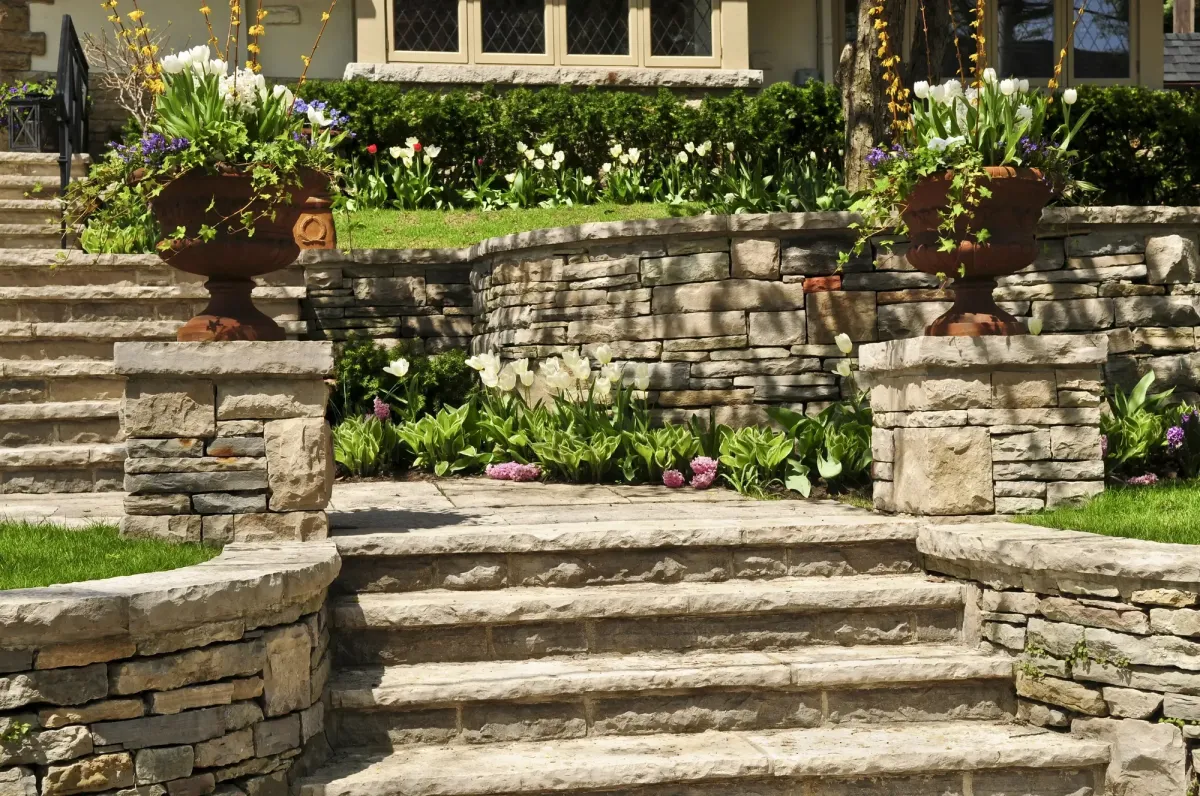
Clay Soil and Retaining Walls on West Linn Hillsides
Clay soil creates unique challenges for retaining walls on West Linn hillsides because it expands when wet and contracts when dry, generating significant pressure against wall structures. During Oregon's rainy season, clay can absorb substantial water, increasing lateral pressure by 30-50% compared to sandy soils. Proper drainage design and wall construction techniques specifically adapted for clay conditions prevent costly failures that flat-terrain builders often miss.
Why Does Clay Soil Affect Retaining Wall Stability Differently?
Clay particles are microscopically flat and stack together like playing cards, creating a soil structure that holds water much longer than sand or gravel. When clay absorbs moisture, it swells uniformly, pushing outward against your retaining wall with forces that can exceed specifications for standard soil conditions. In West Linn's hillside neighborhoods, this expansion occurs gradually through fall and winter months, then reverses during summer dry periods.
The shrink-swell cycle creates a pumping action that can destabilize wall foundations over time. Unlike free-draining soils that shed water quickly, clay maintains saturation for weeks after rain stops, sustaining maximum pressure against wall backs long after storms pass. This sustained loading differs significantly from the brief pressure spikes that occur with well-draining soils.
What Drainage Solutions Work Best for Clay Soil Retaining Walls?
French drain systems behind retaining walls must be oversized when dealing with clay soil because standard drainage calculations assume faster water movement through backfill materials. Install drain pipe at least 6 inches in diameter rather than the typical 4-inch pipe, and extend the gravel envelope wider and deeper than standard specifications require.
Backfill selection becomes critical with clay conditions. Use clean gravel or engineered fill rather than native clay, even though this increases material costs. The Retaining Wall backfill should extend at least 18 inches behind the wall face to create an effective drainage zone that prevents water from reaching the clay interface.
Surface drainage control prevents water from entering the clay mass above your retaining wall. Install gutters, downspout extensions, and surface grading that directs roof runoff and surface water away from the slope face. Even small amounts of concentrated water can saturate clay and trigger movement.
How Should Wall Design Change for Clay Soil Conditions?
Foundation depth requirements increase substantially in clay soil because the active soil zone extends deeper than in granular soils. Your foundation should extend below the seasonal moisture variation zone, typically 3-4 feet deep in West Linn clay conditions, compared to 18-24 inches for sandy soils.
Wall thickness and reinforcement must account for the additional lateral pressure that clay soils generate. Concrete block walls may require cells filled with concrete and rebar spacing closer than manufacturer recommendations suggest. Poured concrete walls benefit from increased thickness in the lower courses where clay pressure concentrates. For the full sequence from geotechnical assessment through backfill and compaction, see our retaining wall construction guide for West Linn hillside homes.
Weep holes in concrete retaining walls require careful consideration with clay backfill. While weep holes help relieve water pressure, they can also allow fine clay particles to migrate through the wall system if not properly filtered. Install geotextile fabric and graded gravel filters behind each weep hole location.
What Are the Common Signs of Clay-Related Retaining Wall Problems?
Seasonal cracking patterns in retaining walls often indicate clay soil movement rather than structural failure. Hairline cracks that appear during wet months and partially close during dry periods suggest the wall is responding to clay expansion and contraction cycles. These cracks typically run horizontally along mortar joints or vertically through concrete sections.
Wall movement becomes apparent through changes in alignment and plumbness. Use a level against the wall face during different seasons to detect forward tilting that occurs gradually as clay pressure builds. Even small movements of 1/4 inch can indicate developing structural problems that will worsen without intervention.
Drainage system failures show up as water seepage through the wall face, rust stains, or efflorescence (white mineral deposits) on concrete surfaces. When hillside retaining wall installation drainage systems become clogged with clay particles, hydrostatic pressure builds quickly behind walls.
When Should You Call a Professional for Clay Soil Retaining Walls?
Soil testing becomes essential when planning retaining walls in West Linn clay conditions because visual soil assessment cannot determine plasticity index, expansion potential, or bearing capacity. Professional soil analysis identifies specific clay types and their behavioral characteristics, informing design decisions that prevent future problems.
Engineering consultation helps when wall heights exceed 4 feet or when slopes show signs of instability. Clay soils can develop deep-seated failure planes that extend well beyond the immediate wall area, requiring slope stability analysis that considers regional geological conditions specific to West Linn hillsides.
Professional installation ensures proper drainage integration and backfill placement techniques that differ significantly from standard retaining wall construction. Clay soil conditions require specific compaction procedures and moisture control during construction that inexperienced contractors often overlook.
