Retaining Wall Installation for West Linn Hillsides
West Linn's challenging terrain demands specialized approaches to retaining wall construction that account for steep slopes, varying soil conditions, and the area's distinct weather patterns. Understanding these local factors before beginning your project ensures your investment provides lasting stability and value for your property.
Understanding West Linn's Unique Terrain Challenges
The hillsides throughout West Linn present specific engineering considerations that directly impact retaining wall design and installation. The area's elevation changes, combined with clay-rich soils common to the Willamette Valley, create conditions where water management becomes critical to wall longevity. Many properties in neighborhoods like Robinwood and Hidden Springs feature slopes that require careful analysis before construction begins.
Soil composition varies significantly across West Linn, with some areas containing expansive clay that swells when wet and contracts during dry periods. This movement creates lateral pressure against retaining walls that must be accounted for in the design phase. Professional soil testing reveals the specific characteristics of your site, allowing engineers to calculate proper wall dimensions and reinforcement requirements.
The area's proximity to the Willamette River influences groundwater patterns, particularly in lower elevations near neighborhoods like Sunset and Cedaroak. Understanding seasonal water table fluctuations helps determine appropriate drainage solutions and wall positioning to prevent hydrostatic pressure buildup.
Material Selection for Oregon's Climate
Climate considerations in West Linn influence material choices for retaining wall construction. The region experiences wet winters and dry summers, creating freeze-thaw cycles that can damage improperly selected materials. Concrete retaining walls perform well in these conditions when properly designed with adequate reinforcement and expansion joints.
Concrete offers excellent durability and can be formed to accommodate complex slope configurations common in West Linn properties. The material handles the region's moisture levels effectively when mixed with appropriate additives and finished with proper surface treatments. Decorative concrete options allow walls to complement West Linn's varied architectural styles.
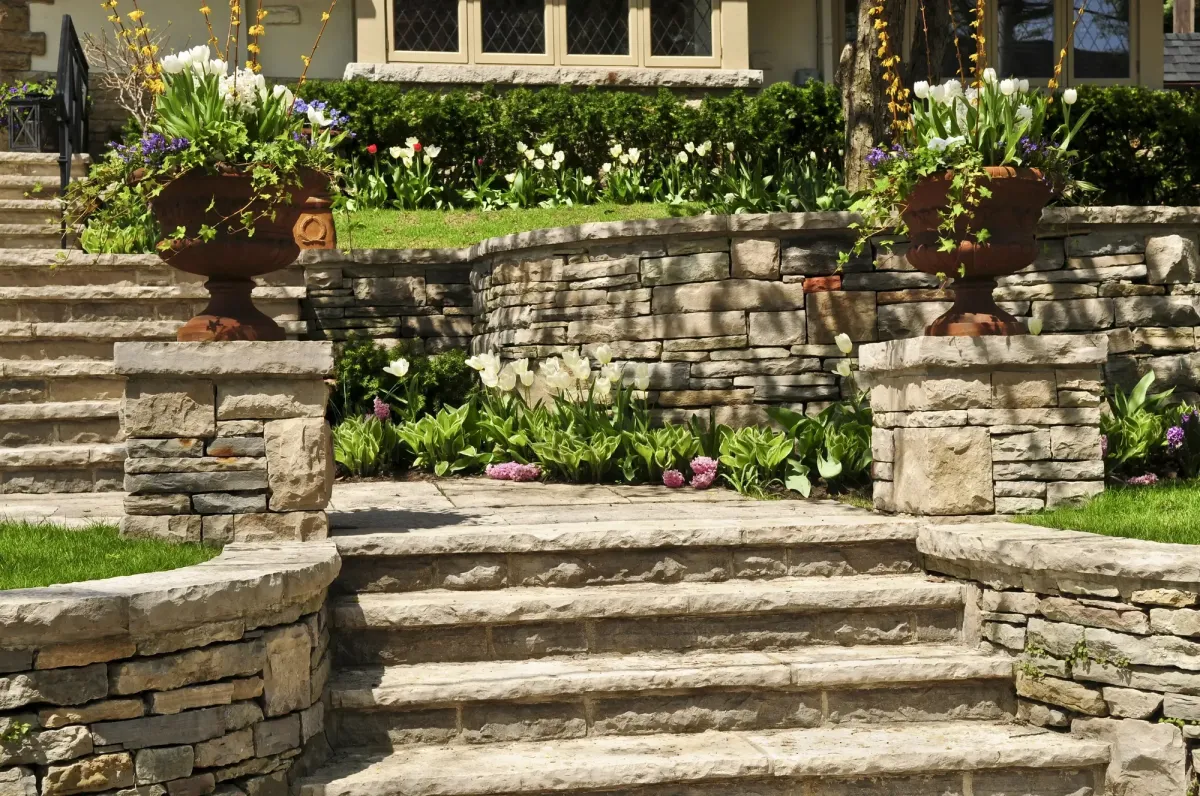
Natural stone presents another viable option, particularly for properties seeking integration with the area's natural landscape. Local basalt and other regional stones provide excellent structural properties while maintaining aesthetic appeal. However, stone walls require skilled craftsmanship to ensure proper interlocking and stability on sloped installations.
Modular block systems offer flexibility for DIY-minded property owners, though professional installation remains recommended for walls exceeding four feet in height. These systems work well for terraced applications common in West Linn's hillside properties, allowing for stepped installations that follow natural contours.
Engineering and Design Considerations
Proper engineering forms the foundation of successful retaining wall projects in West Linn's challenging terrain. Wall height, slope angle, and soil conditions determine structural requirements that must meet Oregon's building standards and Clackamas County requirements.
Geotechnical analysis reveals subsurface conditions that influence wall design. This testing identifies potential issues like loose fill, organic materials, or bedrock depth that affect foundation requirements. The analysis also determines soil bearing capacity and lateral pressure coefficients needed for structural calculations.
Wall batter, or backward lean, helps counteract soil pressure while improving stability. Most retaining walls benefit from a slight backward slope, typically six to twelve degrees depending on wall height and soil conditions. This angle must be calculated based on specific site conditions rather than assumed.
Foundation depth requirements increase with wall height and soil conditions. West Linn's clay soils often require deeper foundations to reach stable bearing material below the frost line. Proper foundation preparation includes compacted base material and adequate width to distribute wall loads effectively.
Drainage System Design
Effective drainage represents the most critical factor in retaining wall longevity, particularly given West Linn's wet season rainfall totals. Water accumulation behind walls creates hydrostatic pressure that can lead to wall failure regardless of structural adequacy.
French drain systems installed behind retaining walls collect and redirect water before pressure buildup occurs. These systems consist of perforated pipe surrounded by graded gravel that allows water infiltration while preventing soil migration. The drain system must connect to an appropriate outlet that directs water away from the wall and neighboring properties.
Weep holes or drain outlets provide additional water release points, particularly important for concrete walls where water cannot pass through the material itself. These outlets must be positioned at appropriate intervals and elevations to ensure consistent drainage across the wall length.
Surface drainage considerations include directing runoff away from the wall area through proper grading and potentially adding gutters or swales. Our concrete driveways guide explains how surface water management integrates with overall property drainage planning.
Waterproofing treatments applied to the back side of concrete walls provide additional moisture protection. These treatments prevent water infiltration that could lead to freeze-thaw damage or concrete degradation over time.
Permitting and Regulatory Requirements
Clackamas County requires permits for retaining walls exceeding four feet in height, measured from the lowest grade to the top of the wall. The permitting process ensures structural adequacy and compliance with setback requirements that protect neighboring properties.
Permit applications must include engineering drawings that show wall dimensions, reinforcement details, and drainage provisions. These drawings require professional engineer stamps for walls over specific heights or in challenging soil conditions. The review process typically takes several weeks and may require plan modifications.
Property line setbacks vary depending on wall height and local zoning requirements. Walls near property boundaries may require neighbor notifications or agreements, particularly when wall construction affects drainage patterns or access routes.
Utility location services must be contacted before excavation begins to identify underground utilities that could be damaged during construction. This service, available through Oregon's utility notification system, prevents costly repairs and safety hazards.
Construction Process and Timeline
Professional retaining wall installation follows specific sequences that ensure structural integrity and proper drainage integration. The process begins with site preparation that includes excavation, base preparation, and utility protection measures.
Base preparation involves excavating to design depth and installing compacted aggregate base material. This foundation layer must achieve specific compaction levels verified through field testing. Proper base preparation prevents settlement that could compromise wall stability.
Drainage system installation occurs during base preparation to ensure proper integration with wall construction. French drain components must be positioned and tested before wall construction begins, as modifications become difficult once walls are in place.
Wall construction techniques vary by material choice but generally proceed from bottom to top in lifts that allow proper curing or settling between stages. Concrete walls require forms, reinforcement placement, and controlled curing periods. Block walls need consistent leveling and proper joint filling.
Backfilling operations use specific materials and compaction methods to prevent settlement while allowing drainage function. The backfill sequence coordinates with wall construction to maintain stability throughout the process.
Quality Control and Long-term Performance
Quality control measures during construction prevent issues that could compromise wall performance over time. Regular inspections verify that materials, dimensions, and installation methods match engineering specifications.
Drainage system testing ensures water flows properly through French drains and exits at designated outlets. This testing should occur before backfilling to allow corrections if problems are identified.
Curing procedures for concrete walls require specific temperature and moisture control to achieve design strength. Rushed curing can result in reduced concrete strength that affects long-term wall performance.
Final grading and surface treatments complete the installation while establishing proper drainage patterns around the completed wall. These finishing touches protect the investment and integrate the wall with existing landscape features.
Maintenance and Monitoring
Regular maintenance preserves retaining wall performance and identifies potential issues before they become serious problems. West Linn's climate patterns create specific maintenance requirements that property owners should understand.
Drainage system maintenance includes cleaning weep holes and outlets to prevent blockages that could allow water accumulation. French drain systems may require inspection and cleaning every few years, particularly in areas with heavy organic debris.
Surface crack monitoring helps identify settlement or structural issues that require professional evaluation. Small cracks may represent normal concrete shrinkage, while larger or growing cracks could indicate structural concerns.
Vegetation management around walls prevents root systems from creating pressure against wall structures while maintaining soil stability on slopes above walls. Appropriate plant selections provide erosion control without threatening wall integrity.
Winter preparation includes ensuring drainage systems function properly before wet season arrival and addressing any maintenance items identified during dry season inspections.
Professional retaining wall installation in West Linn requires understanding local terrain challenges, appropriate material selection, and comprehensive drainage design. Working with experienced contractors familiar with Clackamas County requirements ensures your investment provides lasting slope stability and property value enhancement. Proper planning, quality installation, and regular maintenance create retaining walls that perform reliably in West Linn's unique environmental conditions.
