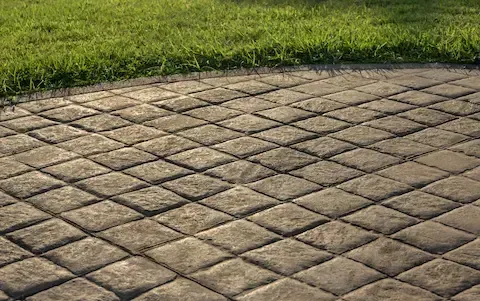
Stamped Concrete Patios and Driveways in West Linn
What Makes Stamped Concrete Perfect for West Linn Properties
Stamped concrete transforms ordinary patios and driveways into stunning architectural features that complement West Linn's diverse home styles. This decorative concrete technique uses specialized stamps and coloring to mimic the appearance of natural stone, brick, slate, or wood at a fraction of the cost. For homeowners in West Linn's varied neighborhoods, from the historic areas near Willamette to the newer developments around Sunset, stamped concrete offers an ideal balance of beauty, durability, and value.
The Pacific Northwest climate presents unique challenges for outdoor surfaces, but properly installed stamped concrete excels in our wet winters and dry summers. Unlike natural stone that can shift or crack with freeze-thaw cycles, stamped concrete maintains its integrity when installed with proper drainage and reinforcement. The sealed surface resists moisture penetration while allowing for the thermal expansion that occurs during West Linn's temperature swings.
Modern stamped concrete techniques offer remarkable versatility in design options. Popular patterns include cobblestone for traditional homes, slate for contemporary designs, and wood plank patterns for rustic aesthetics. Color options range from subtle earth tones that complement the natural Oregon landscape to bolder hues that create dramatic focal points. Multiple colors can be layered to create realistic depth and variation that closely mimics natural materials.
Design Options and Pattern Selection
Choosing the right stamp pattern significantly impacts your property's overall aesthetic. Ashlar slate patterns work exceptionally well with West Linn's craftsman-style homes, providing clean lines that complement architectural details. The random stone pattern offers organic appeal perfect for homes with natural landscaping, while European fan patterns add elegance to formal entrance areas.
Texture depth plays a crucial role in pattern selection. Deep textures create dramatic shadows and visual interest but require more maintenance to keep clean. Lighter textures provide subtle appeal while being easier to maintain, making them practical for high-traffic driveways. Consider your home's architectural style, surrounding landscape, and intended use when selecting texture depth.
Color integration involves both base concrete color and surface coloring techniques. Integral color is mixed into the concrete itself, providing consistent color throughout the slab. Surface colors are applied during the stamping process, creating natural-looking variation and highlights. Stamped Concrete professionals often combine multiple coloring techniques to achieve realistic stone or wood appearances that enhance your property's curb appeal.
Border treatments frame stamped areas beautifully. Smooth concrete borders provide clean transitions, while contrasting stamp patterns create defined edges. Brick or stone borders can tie stamped areas into existing hardscape elements. Consider how borders will interact with your home's foundation, existing walkways, and landscape features.
Installation Process and Timeline
Proper stamped concrete installation begins with thorough site preparation. Excavation depth depends on intended use and soil conditions, typically ranging from four inches for patios to six inches for driveways. Those base and thickness decisions carry over to plain concrete as well, and our complete homeowner guide to concrete driveways in West Linn covers the full specification. West Linn's clay soils require careful attention to drainage and proper base preparation to prevent future settling or cracking.
Base material installation creates a stable foundation for long-term performance. Crushed rock base should be compacted in lifts and properly graded for drainage. Proper drainage becomes especially critical given West Linn's substantial rainfall, requiring careful attention to slopes and drainage patterns that direct water away from foundations and neighboring properties.
Concrete placement and finishing require precise timing and weather coordination. The concrete must reach the proper consistency for stamping while maintaining workability for pattern imprinting. Professional crews coordinate multiple steps simultaneously: placing concrete, initial floating, color application, stamp pattern imprinting, and edge detailing.
The stamping process itself demands expertise and speed. Stamps must be placed systematically to maintain pattern alignment and prevent cold joints. Each stamp impression must achieve consistent depth and definition while the concrete remains workable. This typically provides a window of several hours, depending on weather conditions and concrete mix design.
Curing and sealing complete the installation process. Proper curing allows the concrete to achieve full strength while preventing surface defects. Initial curing typically takes 24-48 hours before foot traffic, with full vehicle traffic possible after one week. Professional sealing provides protection against moisture, stains, and wear while enhancing color vibrancy.
Climate Considerations for Pacific Northwest Durability
West Linn's climate requires specific considerations for stamped concrete longevity. Our wet winters demand excellent drainage design to prevent water accumulation that could lead to freeze-thaw damage. Proper slopes, drainage channels, and permeable base materials help manage water flow during heavy rainfall periods.
Freeze-thaw resistance depends on concrete mix design and proper installation techniques. Air-entrained concrete provides tiny air pockets that accommodate ice expansion without cracking. Low water-cement ratios produce denser, more durable concrete that resists moisture penetration and freeze-thaw cycles.
Summer heat and UV exposure can affect both color and surface integrity. High-quality sealers with UV protection help prevent color fading and surface deterioration. Regular resealing every two to three years maintains protection and appearance, especially important for surfaces with maximum sun exposure.
Seasonal maintenance adapts to our climate patterns. Fall preparation includes thorough cleaning and inspection before winter rains begin. Winter maintenance focuses on prompt removal of standing water and avoiding ice removal methods that could damage sealed surfaces. Spring inspections identify any winter damage requiring professional attention.
Common Installation Mistakes and How to Avoid Them
Poor base preparation causes the majority of stamped concrete failures. Inadequate excavation depth, improper base material, or insufficient compaction leads to settling, cracking, and pattern distortion. Professional contractors understand West Linn's soil conditions and design appropriate base systems for long-term stability.
Timing mistakes during installation create permanent defects. Stamping too early results in concrete sticking to stamps and pattern distortion. Waiting too long makes stamping impossible as concrete becomes too firm. Weather conditions significantly impact timing, requiring experienced judgment to adjust procedures accordingly.
Inadequate reinforcement leads to cracking that disrupts pattern integrity. Steel reinforcement or fiber additives help control cracking, especially important for large areas or high-traffic applications. Proper joint placement and spacing accommodate natural concrete movement without compromising appearance.
Sealer application mistakes affect both appearance and durability. Applying sealer to concrete that hasn't properly cured can trap moisture and cause problems. Incorrect sealer types or application methods can create appearance issues, adhesion problems, or inadequate protection. Professional application ensures proper timing, coverage, and long-term performance.
Color inconsistencies result from improper mixing, application, or curing procedures. Variations in concrete moisture content, ambient temperature, or application techniques can create noticeable color differences. Experienced crews maintain consistent procedures throughout the project to ensure uniform appearance.
Maintenance Requirements and Longevity
Regular cleaning preserves stamped concrete appearance and prevents damage. Weekly sweeping removes debris that could stain or scratch the surface. Monthly washing with mild detergent and water removes accumulated dirt and maintains color vibrancy. Avoid harsh chemicals or pressure washers that could damage the sealer or surface texture.
Sealer maintenance represents the most critical ongoing requirement. Professional resealing every two to three years protects against moisture penetration, stains, and wear. Signs that resealing is needed include water absorption rather than beading, color fading, or surface wear in high-traffic areas.
Crack monitoring allows early intervention before minor issues become major problems. Hairline cracks are normal and typically don't require immediate repair. Wider cracks or those that allow water penetration should receive professional attention promptly to prevent further damage or pattern disruption.
Winter care includes removing snow and ice carefully to avoid damage. Plastic shovels or snow blowers work better than metal tools that could scratch the surface. Avoid rock salt or chemical deicers that could damage the sealer or concrete surface. Sand provides traction without chemical damage when needed.
Professional inspections every few years help identify potential issues before they require major repairs. concrete resurfacing and crack repair services can address problems early, extending the life of your stamped concrete investment.
Cost Factors and Investment Value
Stamped concrete costs vary based on pattern complexity, color options, and site conditions. Simple patterns with single colors cost less than complex multi-colored designs with intricate details. Site accessibility, existing surface removal, and drainage requirements also impact project costs. However, stamped concrete typically costs 50-70% less than natural stone while providing similar aesthetic appeal.
Pattern complexity significantly affects pricing. Basic stamp patterns require less labor and materials than elaborate designs with multiple colors and textures. Border treatments, special details, and curved edges add complexity and cost. Discuss design priorities with your contractor to balance aesthetic goals with budget considerations.
Site preparation requirements vary dramatically between projects. Simple patio installations over stable soil cost less than driveways requiring extensive excavation and base preparation. Steep slopes, poor drainage, or access difficulties increase labor costs. Professional site evaluation helps establish accurate project budgets.
Long-term value includes both aesthetic and functional benefits. Stamped concrete typically lasts 20-30 years with proper maintenance, compared to 10-15 years for standard concrete or asphalt. The enhanced appearance adds curb appeal and property value, while low maintenance requirements reduce ongoing costs compared to natural stone alternatives.
Return on investment studies show that quality stamped concrete installations typically return 75-85% of their cost in added property value. This compares favorably to other outdoor improvement projects while providing immediate enjoyment and functionality benefits for homeowners.
Professional Installation vs DIY Considerations
Stamped concrete installation requires specialized equipment, materials, and expertise that make professional installation the practical choice for most homeowners. The narrow time window for stamping, precise timing requirements, and need for multiple specialized tools create significant challenges for DIY attempts.
Equipment requirements include concrete mixers, stamping tools, release agents, sealers, and finishing equipment. Professional contractors own or rent equipment specifically designed for stamped concrete work. The cost of purchasing or renting appropriate equipment often approaches professional installation costs for single projects.
Technical knowledge encompasses concrete mix design, timing procedures, weather considerations, and problem-solving skills. Professional contractors understand how West Linn's climate and soil conditions affect installation procedures. They adjust techniques based on real-time conditions to ensure successful outcomes.
Quality control during installation prevents costly mistakes that could require complete replacement. Professional crews coordinate multiple simultaneous processes while maintaining consistent quality throughout the project. Experience allows them to recognize and correct issues before they become permanent problems.
Warranty protection provides peace of mind and financial security. Professional installations typically include warranties covering materials and workmanship. DIY installations provide no recourse for problems, potentially creating expensive repair or replacement costs.
Selecting the Right Contractor
Contractor selection significantly impacts project success and long-term satisfaction. Look for contractors with specific stamped concrete experience, proper licensing, and insurance coverage. Request references from recent West Linn projects and examine completed work in person when possible.
Portfolio evaluation should include projects similar to yours in size, style, and complexity. Pay attention to pattern alignment, color consistency, and edge details in completed projects. Quality contractors willingly provide references and examples of their work.
Licensing and insurance verification protects you from liability and ensures professional standards. Oregon requires contractor licensing for concrete work, and proper insurance coverage protects against accidents or property damage. Request current certificates and verify coverage with insurance providers.
Detailed proposals help compare contractors fairly and establish clear expectations. Quality proposals include material specifications, project timelines, warranty information, and payment schedules. Avoid contractors who provide verbal estimates or require large upfront payments.
Communication skills indicate how well contractors will manage your project and address concerns. Professional contractors explain procedures clearly, respond promptly to questions, and provide regular project updates. Good communication prevents misunderstandings and ensures project satisfaction.
