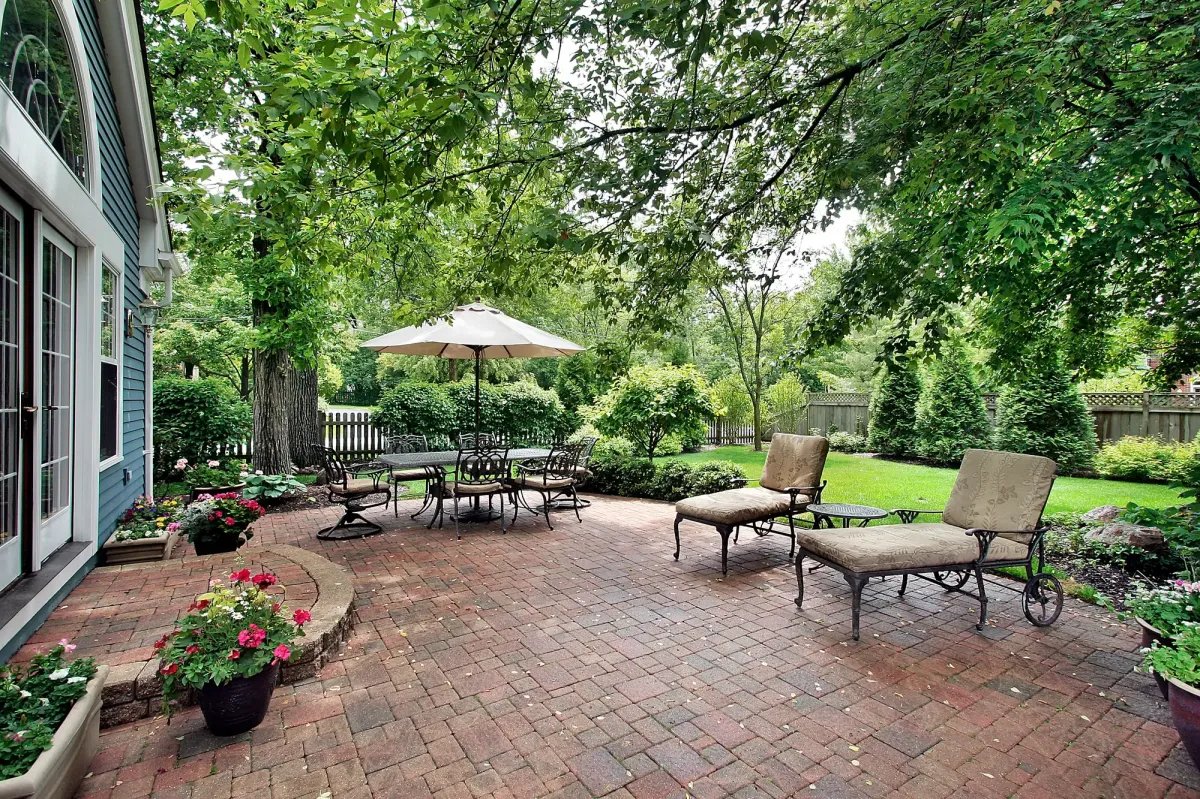
How to Choose Concrete vs Pavers for West Linn Patios
For West Linn patios, concrete is typically the more affordable upfront choice, running $6–$12 per square foot installed, while pavers cost $15–$30 per square foot but offer easier repair and better drainage. West Linn's wet winters and occasional freeze-thaw cycles matter for this decision. Concrete can crack under ground movement, while individual pavers can be replaced without disturbing the whole surface. Your budget, desired look, and how much maintenance you're willing to do are the three factors that will drive the right answer for your specific yard.
Which Material Costs Less in West Linn?
Concrete wins on upfront cost. A standard poured concrete patio in West Linn typically runs between $6 and $12 per square foot for a finished, ready-to-use surface. Pavers generally start around $15 per square foot and can climb past $30 depending on the material — travertine, tumbled brick, and natural stone all sit at the higher end. For a 400-square-foot patio, that gap is real: concrete might cost $2,400–$4,800, while a paver patio could run $6,000–$12,000 or more. If initial budget is your primary constraint, concrete is the practical starting point.
How Does West Linn's Climate Affect Each Material?
West Linn sits in the Tualatin Valley foothills, which means heavy rainfall from October through April and occasional hard freezes in January and February. Both materials feel these conditions, but differently. Concrete is one solid slab — when the ground shifts during a freeze or when tree roots grow underneath, that slab can crack. Once a crack forms, patching is visible and the structural repair can be involved. Pavers flex more naturally. Because they're individual units set over a compacted gravel base, minor ground movement gets absorbed rather than transferred to a visible crack across your entire patio surface. West Linn's clay-heavy soils in many neighborhoods also drain slowly, and a sand-set paver system allows water to move through the joints rather than pool on top. If you've had drainage issues in your yard, hillside patio drainage solutions are worth reviewing before you commit to either material.
Which Option Is Easier to Repair?
Pavers have a clear advantage here. A cracked or stained paver can be lifted out, replaced with a matching unit, and reset — often without touching the surrounding surface. Concrete repair, by contrast, is difficult to make look seamless. Patches rarely match the color of cured concrete exactly, and surface cracks that return after patching are common. For homeowners in West Linn who want a low-drama outdoor space over the long term, the replaceability of pavers is a meaningful benefit even if the upfront cost is higher.
What Maintenance Does Each Material Require?
Concrete patios in West Linn benefit from sealing every two to three years to protect against moisture penetration and the surface staining that comes with Oregon's leaf-fall seasons. Without sealing, concrete surfaces can become pitted or absorb organic staining from wet leaves sitting through a long rainy season. Pavers need periodic joint sand replenishment and occasional re-leveling if a section settles. Weeds can grow in the joints if the base wasn't prepared correctly or if polymeric sand wasn't used. Neither material is maintenance-free, but the tasks are different. Concrete maintenance is about surface protection; paver maintenance is about structural stability of the joints and base.
Which Material Looks Better for West Linn Homes?
This is largely subjective, but pavers offer significantly more design flexibility. They come in dozens of shapes, colors, and laying patterns — herringbone, running bond, basketweave — and can be used to create curves and custom borders that would require complex forming with concrete. Stamped concrete can mimic the look of pavers or stone at a lower cost, but the texture and variation that come with actual individual units are difficult to replicate. If your home has a more traditional or craftsman-style exterior common to older West Linn neighborhoods near Tualatin or the Mary S. Young area, a natural paver look tends to integrate better. For a modern, minimalist design, brushed or exposed aggregate concrete can be equally appealing and more cost-efficient.
When Should You Choose Concrete Over Pavers?
Concrete makes the most sense when your priority is cost, you want a low-profile slab that sits flush with a door threshold, or you're working with a simple rectangular shape that doesn't require design flexibility. It's also a reasonable choice if you're planning to install an outdoor structure like a pergola or covered patio roof that needs a firm anchoring surface. For straightforward projects where budget is the deciding factor, quality patio installation in concrete can deliver a durable result that holds up well with proper sealing and care.
When Should You Choose Pavers Over Concrete?
Pavers make the most sense when drainage is a concern, when you want design variety, or when you're thinking about long-term repairability. If your West Linn yard has a slope, sits in a low area that collects water, or has established trees with root systems near the patio zone, pavers give you more resilience over time. They're also the better choice if you're building a patio in phases or planning to expand the surface later — matching paver materials is far easier than adding to an existing concrete slab without a visible seam.
