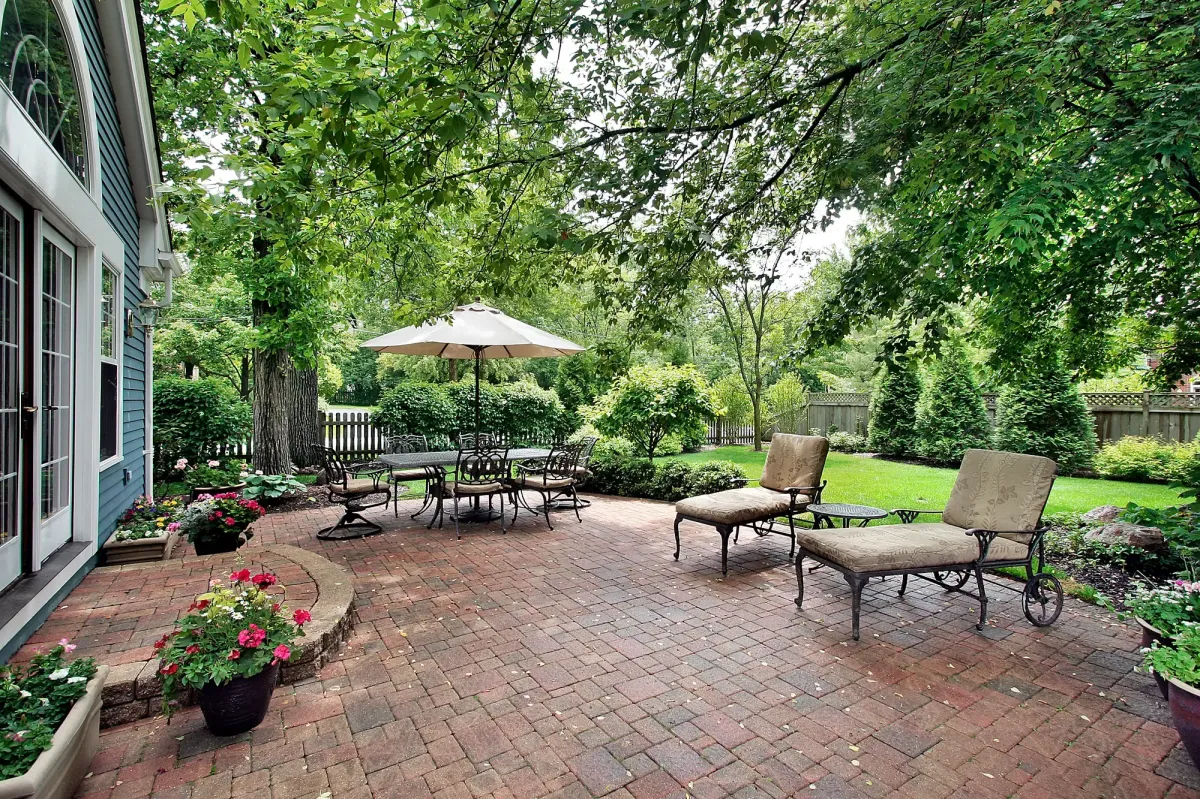
Concrete Patio Installation Guide for West Linn OR
Installing a concrete patio in West Linn requires careful planning to handle the area's unique topographical challenges and clay soil conditions. With proper design and installation techniques, your new concrete patio can provide decades of reliable outdoor living space while complementing your home's architecture and landscape. The key lies in understanding local drainage requirements, soil preparation methods, and choosing the right concrete mix for Oregon's climate conditions.
Planning Your West Linn Concrete Patio Project
Before breaking ground on your concrete patio project, you'll need to evaluate your property's specific conditions and establish a clear design vision. West Linn's hillside locations present unique opportunities and challenges that require thoughtful planning.
Start by assessing your yard's slope and drainage patterns. Most West Linn properties have some degree of slope, which affects both the patio's placement and the required foundation work. Walk your yard during a heavy rainstorm to observe how water flows across the surface. This information will be crucial for proper drainage planning.
Consider the patio's intended use when determining size and layout. A dining area typically requires at least 12x12 feet to accommodate a table and chairs comfortably, while entertainment spaces may need 16x20 feet or larger. Factor in traffic flow patterns between your home and other yard features like pools, gardens, or outdoor kitchens.
Local building codes in West Linn require permits for concrete patios exceeding 200 square feet or those requiring significant grading. Contact the city's building department early in your planning process to understand permit requirements and setback restrictions that may affect your design.
Site Preparation and Excavation Requirements
Proper site preparation forms the foundation of a long-lasting concrete patio. West Linn's clay-heavy soils require specific preparation techniques to prevent settling and cracking issues.
Begin excavation by removing all organic material, including grass, roots, and topsoil, to reach stable subgrade. In West Linn, this typically means digging 8-12 inches deep depending on your patio's thickness and base requirements. Clay soils must be properly compacted and may require amendment with gravel or sand to improve drainage.
Install a robust base layer consisting of 4-6 inches of compacted gravel. Use angular gravel rather than rounded river rock, as the angular edges lock together more effectively. Compact the base in 2-inch lifts using a plate compactor, ensuring each layer reaches 95% compaction before adding the next.
Drainage planning becomes critical during site preparation. Install French drains or subsurface drainage systems if your patio location shows signs of water accumulation. Poor drainage will eventually lead to concrete settlement and cracking, regardless of installation quality.
Grade the excavated area to maintain proper slope away from your home's foundation. A minimum slope of 1/4 inch per foot directs water away from the structure while remaining imperceptible to users.
Concrete Mix Selection and Design Options
Choosing the appropriate concrete mix for West Linn's climate conditions ensures your patio withstands freeze-thaw cycles and seasonal moisture variations. Standard residential concrete patios require a minimum 3,500 PSI compressive strength, though 4,000 PSI provides additional durability for high-use areas.
Air entrainment becomes essential for concrete exposed to Oregon's winter conditions. Properly entrained concrete contains microscopic air bubbles that provide expansion space during freeze-thaw cycles, preventing surface scaling and cracking. Request 5-7% air entrainment in your concrete mix.
Consider decorative concrete options that enhance your patio's visual appeal while maintaining functionality. Stamped concrete can replicate natural stone, brick, or tile patterns at a fraction of the material cost. Popular patterns in West Linn include slate texture, ashlar stone, and wood plank designs that complement the area's natural aesthetic.
Colored concrete offers another customization option through integral color additives or surface-applied stains. Earth tones like sandstone, terra cotta, and charcoal gray work well with West Linn's natural surroundings and home styles.
Exposed aggregate finishes provide excellent slip resistance for pool areas or sloped patios while creating attractive texture. This finish involves removing the surface cream after initial set to reveal the decorative aggregate underneath.
Installation Process and Timing Considerations
Concrete patio installation requires coordination between site preparation, concrete delivery, and finishing operations. Oregon's climate creates specific timing windows for optimal concrete placement and curing.
Schedule concrete pours during mild weather conditions when temperatures remain between 50-80°F for at least 48 hours. Avoid placing concrete during rainy periods or when freezing temperatures are forecast within 72 hours of placement.
Set up forms using 2x lumber or metal forms to contain the concrete and create clean edges. Forms must be level, properly braced, and set to the correct height for your desired patio thickness. Standard residential patios require 4-inch thickness, though high-traffic areas or heavy load locations may need 5-6 inches.
Install expansion joints every 8-10 feet to control cracking as the concrete expands and contracts with temperature changes. Use flexible expansion joint material or create tooled joints during the finishing process.
Place concrete using wheelbarrows or concrete pumps depending on site accessibility. Begin placement at the furthest point from the concrete truck and work systematically toward the access point. Strike off excess concrete using a screed board, then float the surface to bring cream to the top.
Apply the chosen finish while the concrete remains workable. Smooth finishes require steel troweling, while textured surfaces use broom finishes, stamping, or other decorative techniques. Our retaining wall installation guide covers related foundation and drainage principles that apply to patio projects.
Drainage Solutions for Hillside Properties
West Linn's topography demands careful attention to drainage design to protect your concrete patio investment. Improper drainage causes the majority of concrete failures in hillside locations.
Surface drainage starts with proper patio grading. Maintain a consistent slope of 1/8 to 1/4 inch per foot away from adjacent structures. This slope should be built into the concrete surface rather than relying solely on the base grade.
Install perimeter drains around patio edges where water accumulation is likely. These drains connect to your property's overall drainage system or daylight at lower elevations. Use 4-inch perforated pipe surrounded by gravel and filter fabric.
Consider installing area drains within large patio surfaces, particularly in low spots where water naturally collects. These drains require careful planning during the concrete placement process but provide essential water removal capability.
Waterproofing measures become important where patios adjoin basement walls or foundation elements. Apply waterproof membrane and proper joint sealants to prevent water infiltration that could damage your home's foundation.
Direct roof runoff away from patio areas using gutters, downspouts, and splash blocks. Concentrated water flow from roof drainage can overwhelm patio drainage systems and cause erosion problems.
Reinforcement and Structural Considerations
Proper reinforcement prevents cracking and extends your concrete patio's service life, particularly important in West Linn's challenging soil conditions.
Wire mesh reinforcement provides basic crack control for standard residential patios. Place 6x6 inch welded wire mesh at mid-height in the concrete slab, supported on chair supports to maintain proper positioning during concrete placement.
Rebar reinforcement becomes necessary for larger patios, those subject to heavy loads, or installations over problem soils. Use #4 rebar spaced 18-24 inches on center in both directions, tied together at intersections.
Fiber reinforcement offers an alternative to traditional steel reinforcement for crack control. Synthetic or steel fibers mixed into the concrete provide distributed reinforcement throughout the slab thickness.
Thickened edges provide additional structural support where patios meet slopes or carry concentrated loads. Increase slab thickness to 6-8 inches at edges while maintaining 4-inch thickness in the field.
Connection details require careful planning where patios attach to existing structures. Use expansion joints and proper sealants to allow differential movement while maintaining weather protection.
Finishing Techniques and Surface Textures
Surface finishing determines both the aesthetic appeal and functionality of your concrete patio. Choose finishes appropriate for your intended use and local weather conditions.
Smooth troweled finishes provide formal appearance but can become slippery when wet. Reserve smooth finishes for covered areas or locations where slip resistance isn't critical.
Broom finishes create excellent slip resistance through consistent surface texture. Draw a broom perpendicular to the traffic pattern while the concrete surface remains workable but firm enough to hold the texture.
Salt finishes involve broadcasting rock salt onto fresh concrete surfaces, then washing away the salt after curing. This creates a subtle pitted texture with good slip resistance and attractive appearance.
Stamped concrete requires specialized tools and techniques to achieve professional results. Work quickly while the concrete remains impressionable, typically 1-3 hours after placement depending on weather conditions.
Acid staining can be applied to new or existing concrete to create rich, variegated colors. This chemical process reacts with lime in the concrete to produce permanent coloration that won't fade or peel.
Curing and Protection Methods
Proper curing ensures your concrete patio achieves full strength and durability. Oregon's climate requires specific curing methods to protect against temperature fluctuations and moisture loss.
Maintain concrete moisture for at least seven days after placement. Use curing compounds, wet burlap, or plastic sheeting to prevent rapid moisture loss that causes surface cracking and reduces final strength.
Temperature control becomes critical during curing. Protect fresh concrete from freezing using insulation blankets or heated enclosures when necessary. High temperatures require additional moisture retention and possible shading.
Avoid heavy traffic on new concrete for at least 48 hours after placement. Light foot traffic may be acceptable after 24 hours, but furniture and equipment should remain off the surface for a full week.
Apply concrete sealer after 28 days of curing to protect against moisture penetration and surface wear. Choose sealers appropriate for your finish type and intended use pattern. Professional patio installation services ensure proper curing protocols are followed throughout the process.
Long-term Maintenance and Care
Regular maintenance preserves your concrete patio's appearance and extends its service life in West Linn's climate conditions.
Clean surfaces regularly using mild detergent and water. Avoid harsh chemicals or pressure washing that can damage decorative finishes or remove surface cream.
Seal joints annually using appropriate sealant materials. Expansion joints and construction joints require flexible sealants that accommodate movement while excluding water and debris.
Address minor cracks promptly to prevent water infiltration and further damage. Small cracks can be sealed using concrete crack fillers or hydraulic cement depending on their size and location.
Reapply surface sealers every 2-4 years depending on traffic levels and weather exposure. Decorative finishes may require more frequent resealing to maintain their appearance and protection.
Monitor drainage systems annually, clearing debris from drains and checking for proper water flow. Blocked drainage causes most long-term problems with concrete patios in hillside locations.
